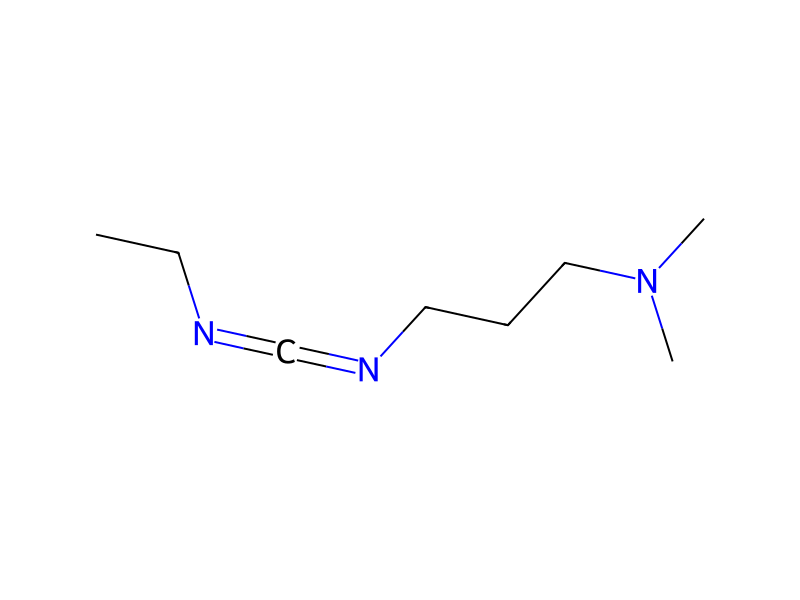
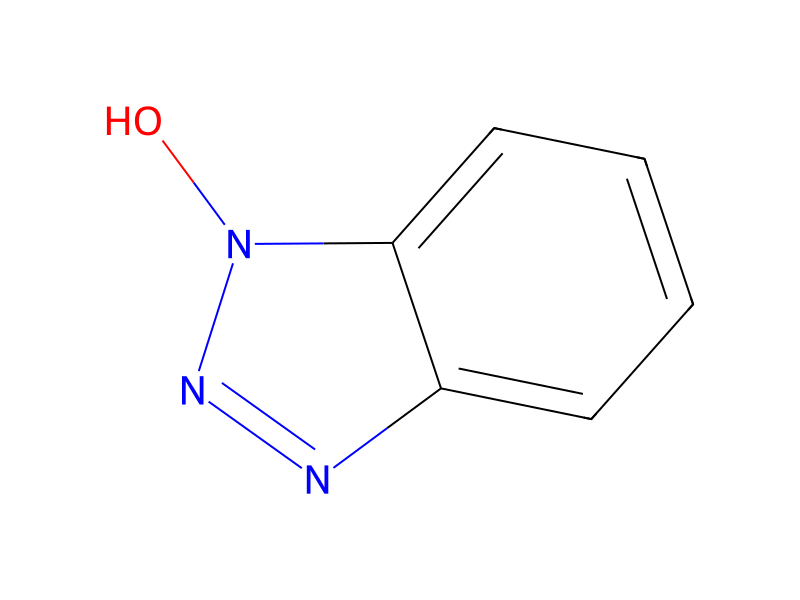
[CH2:1]([O:3][C:4]([C:6]1[C:11](=[O:12])[N:10]2[N:13]=[C:14]([C:16]([OH:18])=O)[CH:15]=[C:9]2[NH:8][CH:7]=1)=[O:5])[CH3:2].C([N:21]([CH2:24][CH3:25])CC)C.[CH:26]1[CH:27]=[CH:28][C:29]2N(O)N=N[C:30]=2[CH:31]=1.CCN=C=NCCCN(C)C.[Cl:47]CCl>CO.O>[CH2:1]([O:3][C:4]([C:6]1[C:11](=[O:12])[N:10]2[N:13]=[C:14]([C:16](=[O:18])[NH:21][CH2:24][CH2:25][C:26]3[CH:31]=[CH:30][C:29]([Cl:47])=[CH:28][CH:27]=3)[CH:15]=[C:9]2[NH:8][CH:7]=1)=[O:5])[CH3:2]To a solution of 7-oxo-4,7-dihydro-pyrazolo[1,5-a]pyrimidine-2,6-dicarboxylic acid 6-ethyl ester (Key intermediate V) (176 mg, 0.7 mmol, 1 eq) in dichloromethane (5 mL) were added triethylamine (195 μL, 1.4 mmol, 2 eq), HOBT (142 mg, 1.05 mmol, 1.5 eq), the appropriate amine (0.8 mmol, 1.1 eq) and EDCI (201 mg, 1.05 mmol, 1.5 eq). The mixture was stirred at room temperature during 20 h. Water (10 mL) was then added and the aqueous phase was extracted with dichloromethane (2×15 mL). The organic layers were dried over magnesium sulfate, filtered and evaporated in vacuo. The crude residue was purified by flash chromatography using dichloromethane and methanol (100/0) to (80/20). The compound obtained was taken up in methanol and filtered to afford the expected compound as white powder (145 mg, 49% yield).