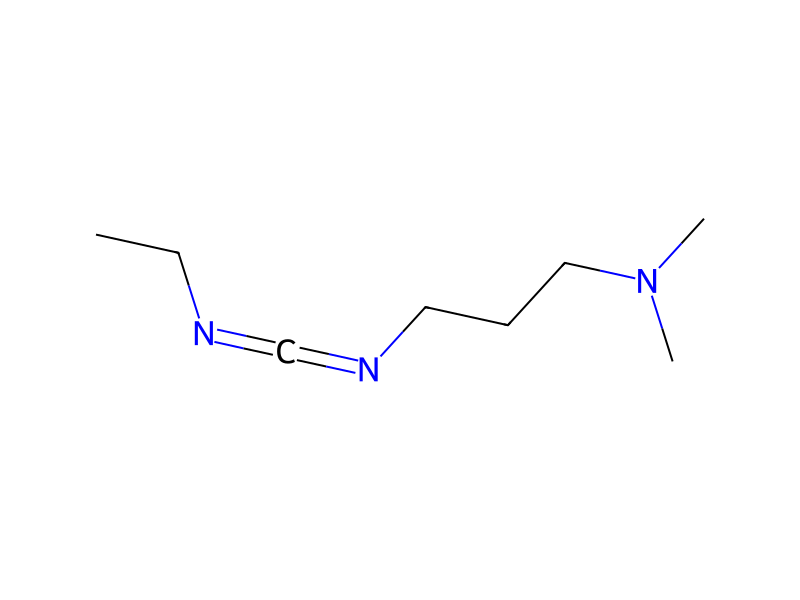
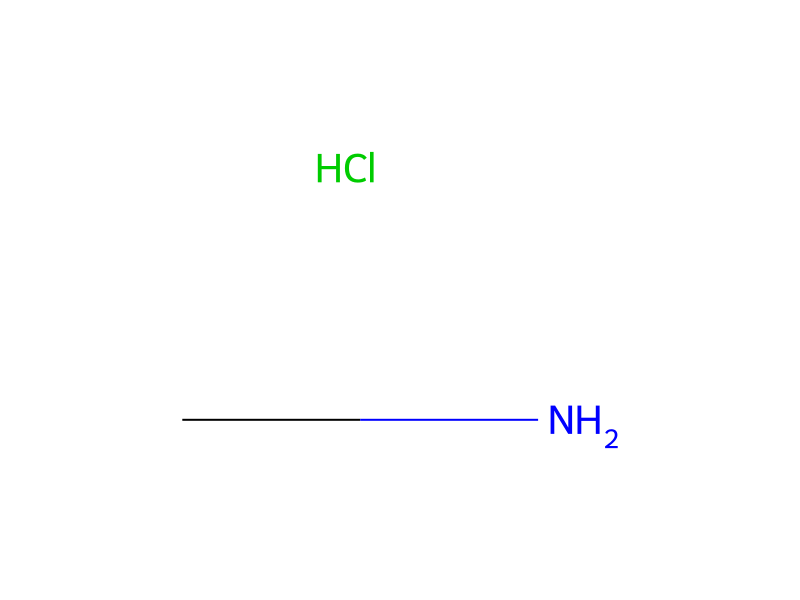
[C:1]([C:4]1[CH:15]=[CH:14][C:7]([CH:8]=[CH:9][C:10]([O:12][CH3:13])=[O:11])=[CH:6][CH:5]=1)(O)=[O:2].Cl.CN.[CH2:19]([N:21]=C=NCCCN(C)C)C.ON1C2C=CC=CC=2N=N1>C(Cl)Cl.O.CN(C)C=O>[CH3:19][NH:21][C:1]([C:4]1[CH:15]=[CH:14][C:7]([CH:8]=[CH:9][C:10]([O:12][CH3:13])=[O:11])=[CH:6][CH:5]=1)=[O:2]To a solution of methyl 4-carboxycinnamate (160 mg) in methylene chloride was added methylamine hydrochloride (58 mg) and 1-ethyl-3-(3-dimethylaminopropyl)carbodiimide (140 mg) at ambient temperature, and the mixture was stirred for 2 hours. To this suspension was added 1-hydroxybenzotriazole (137 mg) and dimethylformamide (2 ml), and the mixture was stirred for 14 hours at same temperature. The reaction mixture was poured into water, and extracted with dichloromethane. The organic layer was washed with aqueous sodium bicarbonate solution and water, dried over magnesium sulfate, and evaporated in vacuo. The residue was crystallized from diisopropyl ether to give methyl 4-(methylcarbamoyl)cinnamate (82 mg) as a colorless powder. mp: 210.5° C.