Reaction equation

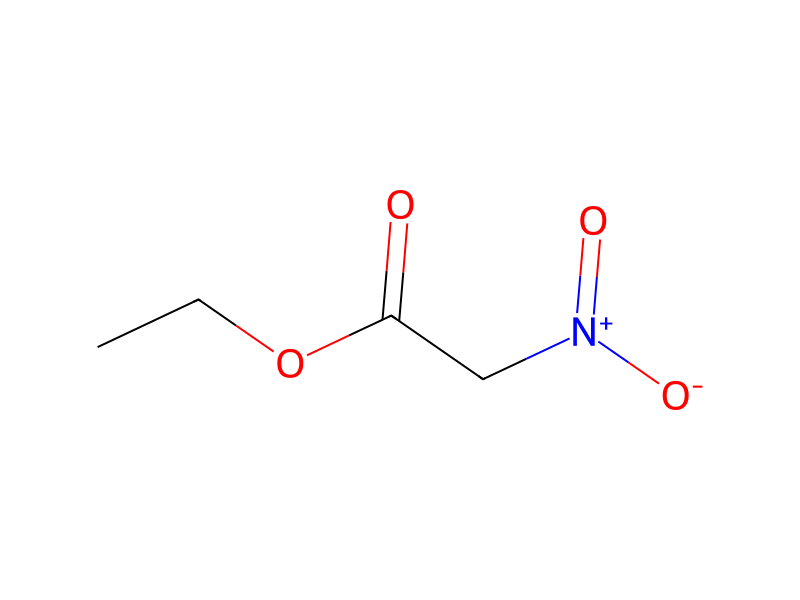
[C:1]([CH:3]1[CH2:5][CH2:4]1)#[CH:2].[N+:6]([CH2:9][C:10]([O:12][CH2:13][CH3:14])=[O:11])([O-])=[O:7].C1N2CCN(CC2)C1>C(O)C>[CH:3]1([C:1]2[O:7][N:6]=[C:9]([C:10]([O:12][CH2:13][CH3:14])=[O:11])[CH:2]=2)[CH2:5][CH2:4]1Participants
5
Reactant 3


Product 1

Reagents, catalysts & solvents 1

Procedure
A solution of ethynylcyclopropane (0.40 mL; 4.58 mmol), ethyl 2-nitroacetate (1.30 mL; 11.46 mmol), and 1,4-diazobicyclo[2.2.2]octane (DABCO, 0.053 g; 0.458 mmol) in ethanol (3 mL) was irradiated in a microwave oven at 150° C. for 20 min and was then evaporated. The residue was dissolved in ethyl acetate and the solution was washed with water. The organic layer was evaporated and the residue was purified by flash chromatography on silica gel (eluent: 20 to 100% of dichloromethane in heptane) to afford 0.765 g (92%) of ethyl 5-cyclopropylisoxazole-3-carboxylate as a yellow oil.
Workup
- customwas then evaporated
- dissolutionThe residue was dissolved in ethyl acetate
- washthe solution was washed with water
- customThe organic layer was evaporated
- customthe residue was purified by flash chromatography on silica gel (eluent: 20 to 100% of dichloromethane in heptane)
Sources & evidence
- ORD record
- ord-9e524bd03fb64855931146cbd86ab99c
- Source dataset
- uspto-grants-2016_09
- Patent number
- US09434722B2
Linked notes
Loading…