Reaction equation

C(C1C(I)=[C:6]([O:13][C:14]2[CH:19]=[CH:18][C:17]([CH:20]([CH3:22])[CH3:21])=[C:16](CC=C)[C:15]=2I)[CH:7]=[CH:8]C=1C(C)C)C=C.N(CCCC)(CCCC)CCCC.C([O-])=O.[NH4+]>C([N+]1C=CN(C)C=1)CCC.F[B-](F)(F)F.Cl[Pd]Cl>[CH:20]([C:17]1[CH:18]=[CH:19][C:14]2[O:13][CH:6]=[C:7]([CH3:8])[C:15]=2[CH:16]=1)([CH3:21])[CH3:22]Participants

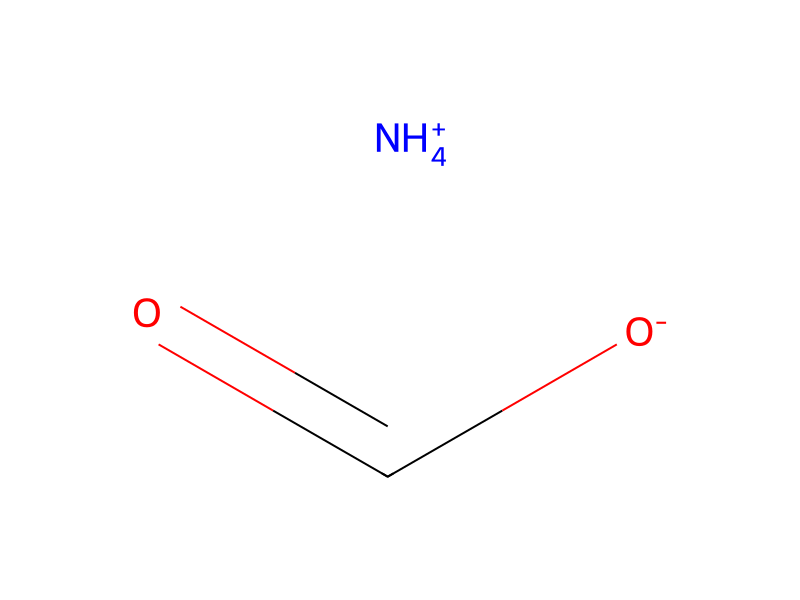


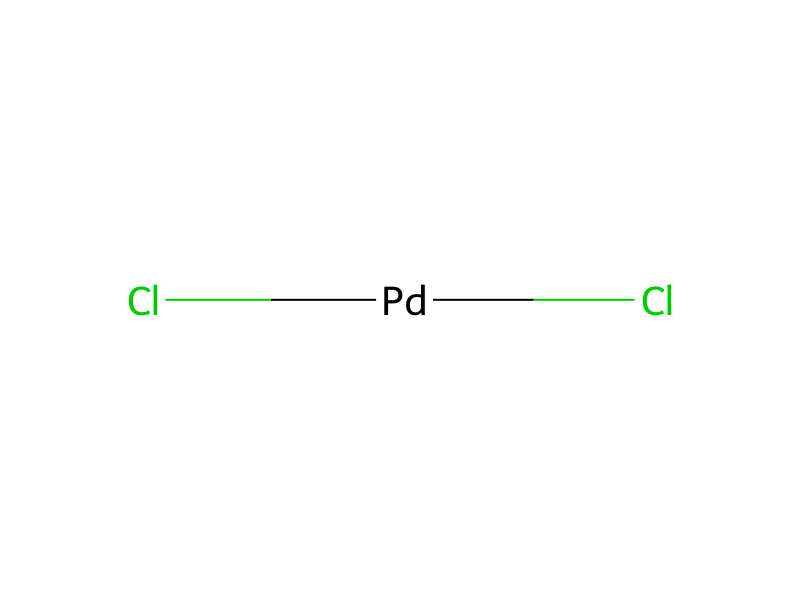

Conditions
- Temperature
- 60 °C
Procedure
According to the method described by Xie et al. (Xie et al., (2004) Tetrahedron Lett. 45, 6235-6237) a mixture of allyl-2-iodo-4-isopropylphenyl ether (300 mg, 0.99 mmol), NBu3 (350 μL, 1.49 mmol), ammonium formate (65 mg, 1.03 mmol) and PdCl2 (10 mg, 0.06 mmol) in 1-butyl-3-methylimidazolium-tetrafluoroborate (1.5 mL) was heated at 60° C. for 2 days. A second portion of PdCl2 (24 mg) was added and the mixture was heated at 60° C. additional 5 h. The reaction mixture was extracted with Et2O. Evaporation of the solvent afforded 220 mg crude product, which was purified on silica giving the title compound in 30% yield (55 mg). 1H NMR (400 MHz, CDCl3) δ ppm 1.31 (d, J=6.90 Hz, 6 H) 2.24 (d, J=1.25 Hz, 3 H) 3.03 (spt, J=6.90 Hz, 1 H) 7.17 (dd, J=8.34, 1.94 Hz, 1 H) 7.34-7.39 (m, 3 H).
Workup
- temperaturethe mixture was heated at 60° C. additional 5 h
- extractionThe reaction mixture was extracted with Et2O
- customEvaporation of the solvent
Sources & evidence
- ORD record
- ord-b66f0b9d3c8c4d5280038664c72e634d
- Source dataset
- uspto-grants-2016_01
- Patent number
- US09233946B2
Linked notes
Loading…