Potassium Iodide → HCID 178475874, compound
HRID 596796
Reaction equation

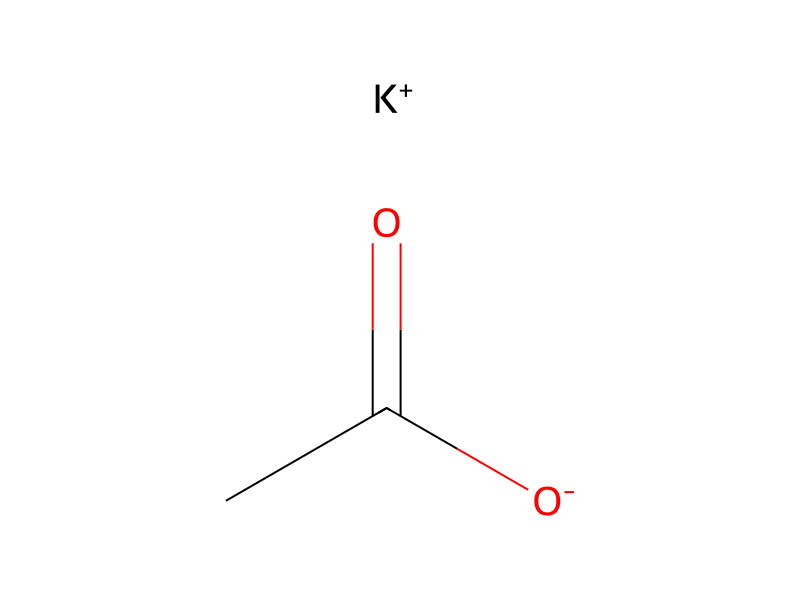
[C:1]([C:9]1[C:18]([CH2:19]Br)=[N+:17]([O-:21])[C:16]2[C:11](=[CH:12][CH:13]=[CH:14][CH:15]=2)[N+:10]=1[O-:22])(=[O:8])[C:2]1[CH:7]=[CH:6][CH:5]=[CH:4][CH:3]=1.[C:23]([O-:26])(=[O:25])[CH3:24].[K+].CN(C)C=O.[I-].[K+]>CCOCC>[C:1]([C:9]1[C:18]([CH2:19][O:26][C:23](=[O:25])[CH3:24])=[N+:17]([O-:21])[C:16]2[C:11](=[CH:12][CH:13]=[CH:14][CH:15]=2)[N+:10]=1[O-:22])(=[O:8])[C:2]1[CH:7]=[CH:6][CH:5]=[CH:4][CH:3]=1Participants
6
Reactant 4



Product 1

Reagents, catalysts & solvents 1
