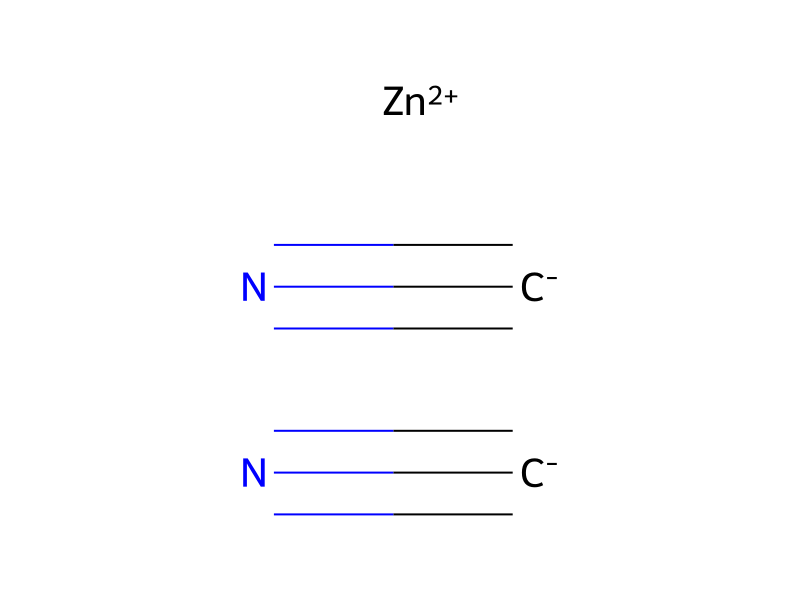
Cl[C:2]1[CH:7]=[C:6]([CH3:8])[C:5]([F:9])=[CH:4][N:3]=1.[CH3:10][N:11](C=O)C>[C-]#N.[C-]#N.[Zn+2].C1C=CC([P]([Pd]([P](C2C=CC=CC=2)(C2C=CC=CC=2)C2C=CC=CC=2)([P](C2C=CC=CC=2)(C2C=CC=CC=2)C2C=CC=CC=2)[P](C2C=CC=CC=2)(C2C=CC=CC=2)C2C=CC=CC=2)(C2C=CC=CC=2)C2C=CC=CC=2)=CC=1>[F:9][C:5]1[C:6]([CH3:8])=[CH:7][C:2]([C:10]#[N:11])=[N:3][CH:4]=1A microwave tube was charged with 2-chloro-5-fluoro-4-methylpyridine (5.5 mmol), Zn(CN)2 (16.6 mmol), Pd(PPh3)4 (1.1 mmol) in DMF (20 mL). The mixture was stirred at 150° C. for 5 min in a microwave reactor. The mixture was combined with other crudes obtained following the procedure described above. The resulting mixture was filtered. The filtrate was concentrated under reduced pressure. The residue was diluted with EtOAc, washed (sat. NH4Cl), dried (Na2SO4) and concentrated. The residue was purified by flash column chromatography (SiO2, 5:95 to 15:85 EtOAc/petroleum ether) to yield the desired product.