HomeMCPWorkbenchSkills
HomeWorkbenchNotificationsMe
llms.txt · MCP GuidePrivacy Policy · Terms of Service · Supportv1.8.0
  1. Home
  2. /Reaction

Tetrahydrofuran → [5-(5-Cyanopyridin-3-ylethynyl)-2-fluorophenyl]-carbamic acid methyl ester

HRID 606958
Notes
Print preview

Reaction equation

HRID 606958 reaction equation
[NH2:1][C:2]1[CH:3]=[C:4]([C:9]#[C:10][C:11]2[CH:12]=[N:13][CH:14]=[C:15]([CH:18]=2)[C:16]#[N:17])[CH:5]=[CH:6][C:7]=1[F:8].CN[C:21](Cl)=[O:22].[O:24]1CCC[CH2:25]1>N1C=CC=CC=1.O>[CH3:25][O:24][C:21](=[O:22])[NH:1][C:2]1[CH:3]=[C:4]([C:9]#[C:10][C:11]2[CH:12]=[N:13][CH:14]=[C:15]([C:16]#[N:17])[CH:18]=2)[CH:5]=[CH:6][C:7]=1[F:8]
ParticipantsProcedureWorkupSources & evidenceReaction notes

Participants

6

Reactant 3

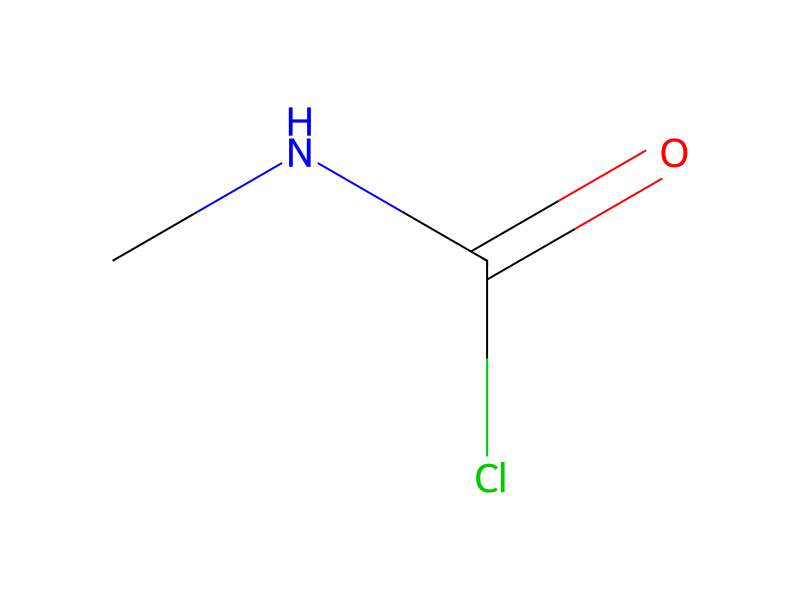
HCID 8028TetrahydrofuranHCID 80931Methylcarbamoyl chlorideHCID 670478225-(3-Amino-4-fluorophenylethynyl)-nicotinonitrile

Product 1

HCID 67047862[5-(5-Cyanopyridin-3-ylethynyl)-2-fluorophenyl]-carbamic acid methyl esterYield 5%

Reagents, catalysts & solvents 2

HCID 962WaterSolvent
HCID 1049
Pyridine
Solvent

Procedure

Dissolve 5-(3-amino-4-fluorophenylethynyl)-nicotinonitrile, (prepared as described in EXAMPLE 160), (0.4 g, 1.7 mmol) in anhydrous pyridine. Add a solution of methylcarbamyl chloride (0.17 g, 1.8 mmol) in anhydrous tetrahydrofuran carefully to the reaction and stir overnight at room temperature. Concentrate and dissolve the crude reaction in ethyl acetate and water. Wash the organic layer with water, an aqueous saturated solution of sodium chloride, dry (potassium carbonate), filter, concentrate and purify (silica gel chromatography, eluting with 0:100 to 10:90 ethyl acetate:dichloromethane, and then further purify on C-18 silica, eluting with 10:90 to 50:50 using an aqueous 0.1% solution of trifluoroacetic acid and a 0.1% solution of trifluoroacetic acid in acetonitrile). Concentrate, partition the residue between ethyl acetate and an aqueous saturated solution of sodium bicarbonate and separate the layers. Wash the organic layer with an aqueous saturated solution of sodium chloride, dry (potassium carbonate), filter and concentrate to give the title compound as a white solid (25 mg, 5%).


Workup

  1. customcarefully to the reaction
  2. concentrationConcentrate
  3. dissolutiondissolve the crude
  4. customreaction in ethyl acetate
  5. washWash the organic layer with water
  6. dry with materialan aqueous saturated solution of sodium chloride, dry (potassium carbonate)
  7. filtrationfilter
  8. concentrationconcentrate
  9. custompurify (silica gel chromatography
  10. washeluting with 0:100 to 10:90 ethyl acetate
  11. customdichloromethane, and then further purify on C-18 silica
  12. washeluting with 10:90 to 50:50 using an aqueous 0.1% solution of trifluoroacetic acid
  13. concentrationConcentrate
  14. custompartition the residue between ethyl acetate
  15. customan aqueous saturated solution of sodium bicarbonate and separate the layers
  16. washWash the organic layer with an aqueous saturated solution of sodium chloride
  17. dry with materialdry (potassium carbonate)
  18. filtrationfilter
  19. concentrationconcentrate

Sources & evidence

ORD record
ord-0ecb0489d36a4e9e8a046ec05c8f5882
Source dataset
uspto-grants-2011_03
DOI
10.6084/m9.figshare.5104873.v1
Patent number
US07915424B2

Reaction notes

Loading…

On this pageParticipantsProcedureWorkupSources & evidenceReaction notes