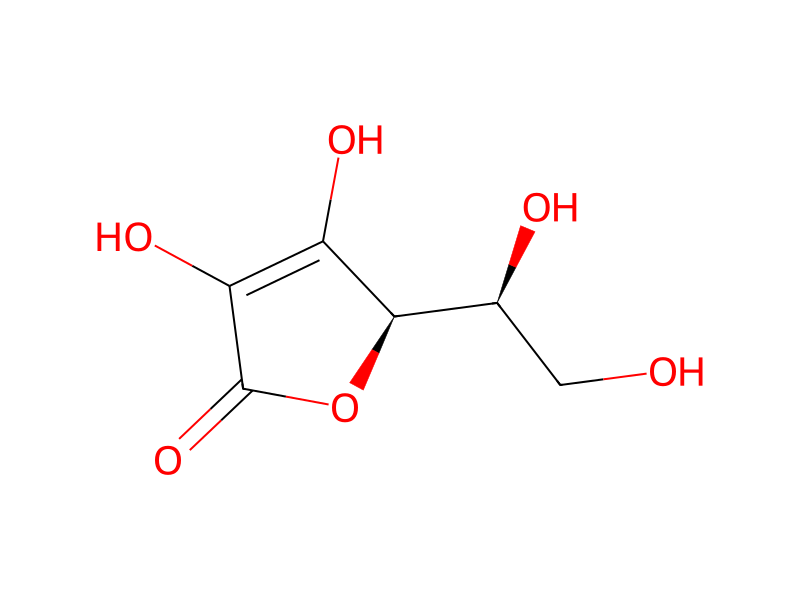
[N:1]([C:4]1[CH:55]=[CH:54][C:7]([CH2:8][O:9][CH2:10][C@H:11]2[O:23][C@@H:15]([S:16][C:17]3[CH:22]=[CH:21][CH:20]=[CH:19][CH:18]=3)[C@H:14]([O:24]CC3C=CC(OC)=CC=3)[C@@H:13]([O:34]CC3C=CC(OC)=CC=3)[C@@H:12]2[O:44]CC2C=CC(OC)=CC=2)=[CH:6][C:5]=1[Cl:56])=[N+:2]=[N-:3].O.C(C1C(=O)C(Cl)=C(Cl)C(=O)C=1C#N)#N.O=C1O[C@H]([C@H](CO)O)C(O)=C1O>ClCCl>[N:1]([C:4]1[CH:55]=[CH:54][C:7]([CH2:8][O:9][CH2:10][C@H:11]2[O:23][C@@H:15]([S:16][C:17]3[CH:22]=[CH:21][CH:20]=[CH:19][CH:18]=3)[C@H:14]([OH:24])[C@@H:13]([OH:34])[C@@H:12]2[OH:44])=[CH:6][C:5]=1[Cl:56])=[N+:2]=[N-:3]To a solution of phenyl 6-O-(4-azido-3-chlorobenzyl)-2,3,4-tri-O-(4-methoxybenzyl)-1-thio-β-D-glucopyranoside (9) (1.24 g, 1.55 mmol) in dichloromethane (10 ml) were added water (0.5 ml) and DDQ (1.41 g, 6.21 mmol), and the resulting mixture was stirred at room temperature for 3 hr. Thereto was added 5% aqueous L-ascorbic acid solution, and the mixture was stirred for a while, and extracted with ethyl acetate. The organic layer was washed successively with saturated aqueous sodium hydrogencarbonate solution and saturated brine, and dried over anhydrous sodium sulfate. The solvent was evaporated under reduced pressure and the residue obtained was purified by silica gel column chromatography (eluent; dichloromethane:ethyl acetate=1:3) to give phenyl 6-O-(4-azido-3-chlorobenzyl)-1-thio-β-D-glucopyranoside (10) (584 mg, yield 86%) as yellow crystals.