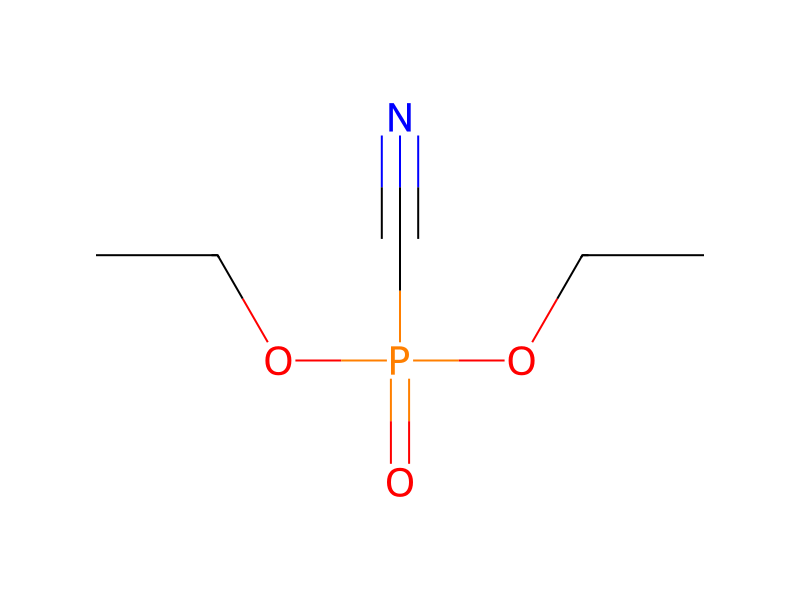
Cl.[O:2]1[C:6]2[CH2:7][NH:8][CH2:9][CH2:10][C:5]=2[CH:4]=[CH:3]1.[CH3:11][C:12]1[CH:28]=[CH:27][CH:26]=[CH:25][C:13]=1[C:14]([C:16]1[CH:24]=[CH:23][C:19]([C:20](O)=[O:21])=[CH:18][CH:17]=1)=[O:15].C(N(CC)CC)C.C(P(=O)(OCC)OCC)#N>ClCCl.O>[CH3:11][C:12]1[CH:28]=[CH:27][CH:26]=[CH:25][C:13]=1[C:14]([C:16]1[CH:24]=[CH:23][C:19]([C:20]([N:8]2[CH2:9][CH2:10][C:5]3[CH:4]=[CH:3][O:2][C:6]=3[CH2:7]2)=[O:21])=[CH:18][CH:17]=1)=[O:15]To a solution of 0.160 g (1.000 mmol) of 4,5,6,7-tetrahydrofuro[2,3-c]pyridine hydrochloride, 0.288 g (1.2 mmol) of 4-(2-methylbenzoyl)benzoic acid and 0.55 ml (4.0 mmol) of triethylamine in 30 ml of dichloromethane, 0.24 g (1.5 mmol) of diethyl cyanophosphonate was added dropwise under ice-cooling, followed by overnight stirring at room temperature. The reaction mixture was poured into water and extracted with dichloromethane 2 times. The combined organic layer was washed with water and dried over anhydrous sodium sulfate; the solvent was distilled off under reduced pressure. The resulting crude product was purified by silica gel column chromatography (hexane/ethyl acetate=3/1) to yield the desired product.
Loading…