Reaction equation

[Br:1][CH:2]1[C:5]2=[CH:6][CH:7]=[CH:8][CH:9]=[C:4]2[CH2:3]1.N#N.[Br:12]N1C(=O)CCC1=O.CC(N=NC(C#N)(C)C)(C#N)C>ClC1C=CC=CC=1>[Br:1][C:2]1([Br:12])[C:5]2=[CH:6][CH:7]=[CH:8][CH:9]=[C:4]2[CH2:3]1Participants
Reactant 4
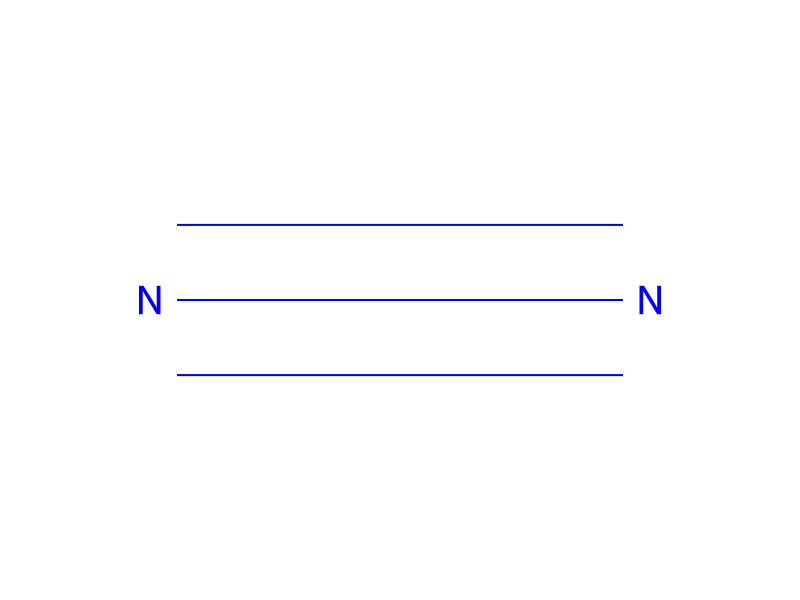



Product 1

Reagents, catalysts & solvents 1

Conditions
- Temperature
- 120 °C
Procedure
Bromobenzocyclobutene (91.5 g, 0.5 mol) and chlorobenzene(anhydrous, 2500 mL) were charged into a four-neck 5 L flask equipped with mechanical stir, condenser, N2 (in and outlet) and thermometer. The reaction mixture was heated to 120° C., and N-bromosuccinimide (111.3 g, 0.625 mol) was gradually charged over 30 min., followed by slowly feeding a mixture of a free radical azo compound source (VAZO™ 68) (14.0 g, 0.05 mol) and chlorobenzene (500 mL) over 30 min. Then the reaction mixture was heated to 133° C. (mild reflux) and kept at that temperature for 6 hr. The mixture was then cooled to room temperature overnight, and chlorobenzene was removed by vacuum evaporation. The crude product was extracted with hexane. After removal of hexane, 1-bromo-bromobenzocyclobutene (1-Br-BrBCB) (80-85° C/0.35 torr, 90 g, ca. 93% purity) was obtained by vacuum distillation.
Workup
- temperatureThen the reaction mixture was heated to 133° C.
- temperature(mild reflux)
- temperatureThe mixture was then cooled to room temperature overnight
- customchlorobenzene was removed by vacuum evaporation
- extractionThe crude product was extracted with hexane
- customAfter removal of hexane
Sources & evidence
- ORD record
- ord-3899512d2f51492bb1b2c07fddff8478
- Source dataset
- uspto-grants-2016_09
- Patent number
- US09441055B1
Linked notes
Loading…