HomeMCPWorkbenchSkills
HomeWorkbenchNotificationsMe
llms.txt · MCP GuidePrivacy Policy · Terms of Service · Supportv1.8.3
  1. Home
  2. /Reaction

Carbon Dioxide → HCID 20366961, compound

HRID 616911
Print

Reaction equation

HRID 616911 reaction equation
[Cl:1][C:2]1[CH:7]=[CH:6][CH:5]=[CH:4][C:3]=1[NH:8][NH:9][C:10]([O:12][CH2:13][CH3:14])=[O:11].[C:15](Cl)(Cl)=[O:16].C(=O)=O.Cl.C(N(CC)CC)C>C1(C)C=CC=CC=1.C(Cl)Cl.O.C(N(CC)CC)C>[Cl:1][C:2]1[CH:7]=[CH:6][CH:5]=[CH:4][C:3]=1[N:8]1[N:9]=[C:10]([O:12][CH2:13][CH3:14])[O:11][C:15]1=[O:16]
ParticipantsConditionsProcedureWorkupSources & evidenceReaction notes

Participants

9

Reactant 4

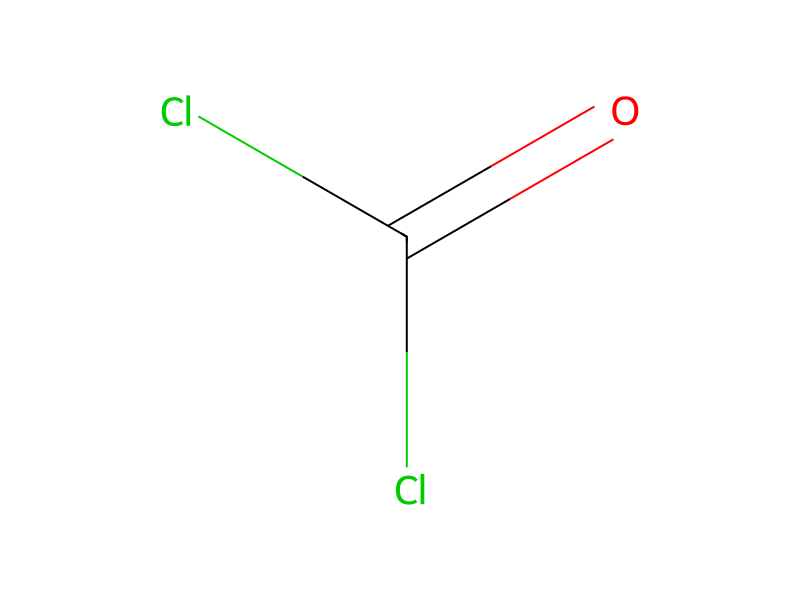
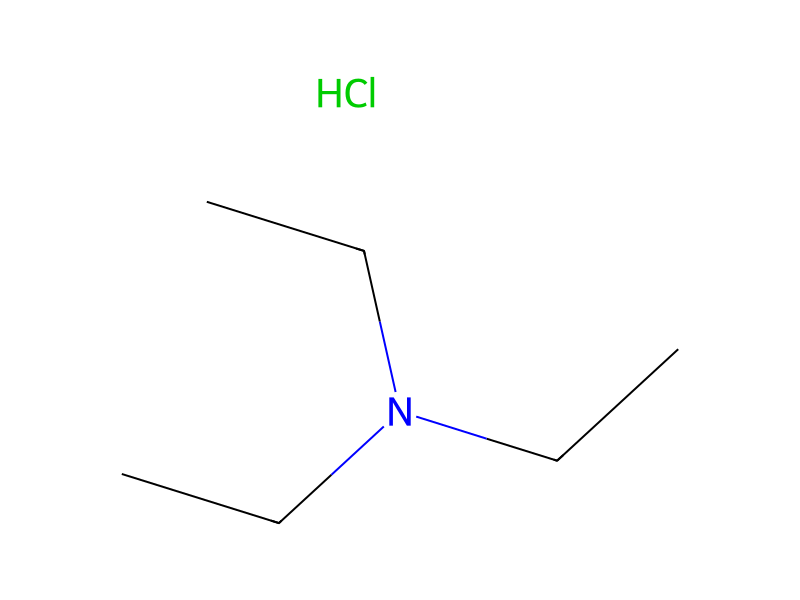
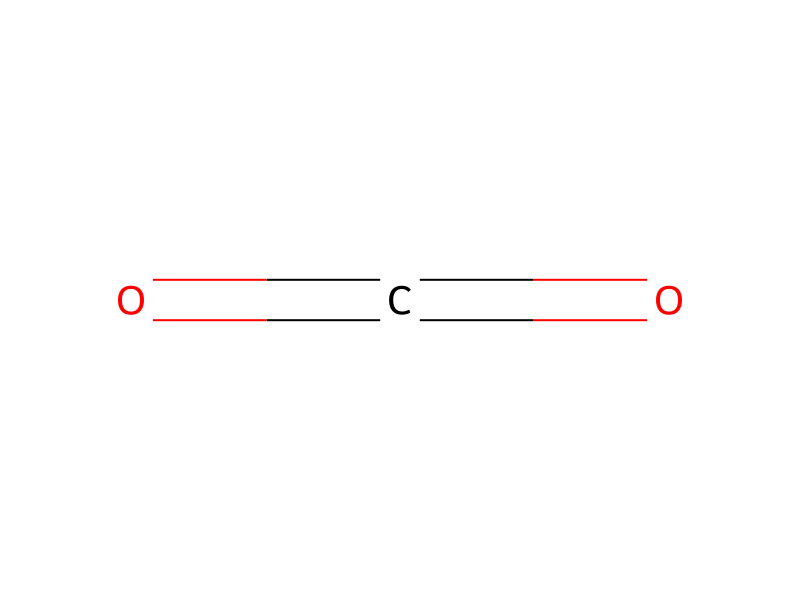
HCID 280Carbon Dioxide2×HCID 6371PhosgeneHCID 11130Triethylamine hydrochlorideHCID 20366950Ethyl 2-(2-chlorophenyl)hydrazine-1-carboxylate

Product 1

HCID 20366961HCID 20366961, compound

Reagents, catalysts & solvents 4

HCID 962
Water
Solvent
HCID 1140TolueneSolvent
HCID 6344DichloromethaneSolvent
HCID 8471TriethylamineSolvent

Conditions

Temperature
20 °C

Procedure

Ethyl 3-(2-chlorophenyl)-carbazate (15.2 g.) is added to a 14.8% (w/v) solution (71 cc.) of phosgene in toluene. The solution obtained is then heated gradually until gas ceased to be evolved, whilst condensing the condensable vapours by means of a condenser containing solid carbon dioxide. The temperature of the reaction mixture is then 105° C. The condenser containing solid carbon dioxide is replaced by a coil condenser and the mixture is heated under reflux until the evolution of gas is complete. After cooling, the solution is concentrated under reduced pressure (25 mm. Hg) at 50° C. The residue obtained is dissolved in methylene chloride (71 cc.), then triethylamine (9.5 cc.) is added to the solution and the mixture is stirred overnight at 20° C. Water (71 cc.) is then added in order to dissolve the precipitate of triethylamine hydrochloride. The organic phase is decanted and then washed successively with 0.1N hydrochloric acid (50 cc.) and water (100 cc.). After drying over sodium sulphate, the solvent is removed by evaporation under reduced pressure (25 mm.Hg) at 40° C. The residual solid is recrystallised from petroleum ether, b.p. 35°-60° C., (380 cc.) to give 3-(2-chlorophenyl)-5-ethoxy-1,3,4-oxadiazolin-2-one (13.7 g.), melting at 45° C.

Workup

  1. customThe solution obtained
  2. temperatureis then heated gradually until gas
  3. customto be evolved, whilst condensing the condensable vapours by means of a condenser
  4. custom105° C
  5. customis replaced by a coil condenser
  6. temperaturethe mixture is heated
  7. temperatureunder reflux until the evolution of gas
  8. temperatureAfter cooling
  9. concentrationthe solution is concentrated under reduced pressure (25 mm. Hg) at 50° C
  10. customThe residue obtained
  11. customThe organic phase is decanted
  12. washwashed successively with 0.1N hydrochloric acid (50 cc.) and water (100 cc.)
  13. dry with materialAfter drying over sodium sulphate
  14. customthe solvent is removed by evaporation under reduced pressure (25 mm.Hg) at 40° C
  15. customThe residual solid is recrystallised from petroleum ether, b.p. 35°-60° C., (380 cc.)

Sources & evidence

ORD record
ord-c10cfe6ac69f479cb96646af86e25363
Source dataset
uspto-grants-1978_02
DOI
10.6084/m9.figshare.5104873.v1
Patent number
US04076824

Reaction notes

On this pageParticipantsConditionsProcedureWorkupSources & evidenceReaction notes