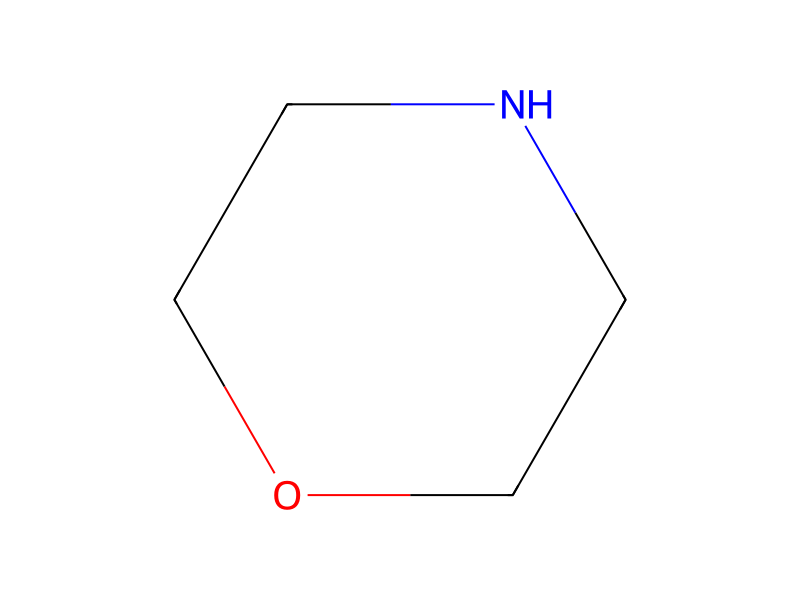
CC([C:4]1[CH:5]=[C:6]2[C:10](=[CH:11][CH:12]=1)[CH2:9][CH:8]([NH:13][S:14]([C:17]1[CH:22]=[CH:21][CH:20]=[CH:19][CH:18]=1)(=[O:16])=[O:15])[CH2:7]2)=O.[S].N1[CH2:29][CH2:28][O:27]CC1.Cl.[OH-:31].[K+]>O.C(O)C>[C:17]1([S:14]([NH:13][CH:8]2[CH2:7][C:6]3[C:10](=[CH:11][CH:12]=[C:4]([CH2:29][C:28]([OH:31])=[O:27])[CH:5]=3)[CH2:9]2)(=[O:16])=[O:15])[CH:22]=[CH:21][CH:20]=[CH:19][CH:18]=18.3 (26 mmol) of (2-benzenesulphonamido-indan-5-yl) methyl ketone, 2.1 g (65 mmol) of sulphur and 5.7 g (65 mmol) of morpholine are heated at 135° C. for 2 hours. Ice and hydrochloric acid are added and (2-benzenesulphonamido-indan-5-yl)-acetic acid thiomorpholide is extracted with ethyl acetate. It is purified by chromatography over silica gel using 8:2 ethylene chloride/ethyl acetate, which gives 10.6 g (97% of theory) in the form of a resin. The product is then heated under reflux for 2.5 hours with 10 g of potassium hydroxide in 100 ml of water and 40 ml of ethanol. The mixture is concentrated in vacuo, the alkaline phase is washed wih methylene chloride, and the reaction product is precipitated by means of hydrochloric acid. It is recrystallised from isopropanol and from ethyl acetate/diisopropyl ether.