HomeMCPWorkbenchSkills
HomeWorkbenchNotificationsMe
llms.txt · MCP GuidePrivacy Policy · Terms of Service · Supportv1.8.0
  1. Home
  2. /Reaction

Triethylamine → HCID 15617200, compound

HRID 622939
Notes
Print preview

Reaction equation

HRID 622939 reaction equation
C(N(CC)CC)C.[F:8][C:9]1[CH:17]=[CH:16][C:12]([C:13](Cl)=[O:14])=[CH:11][CH:10]=1.[CH2:18]([O:20][C:21](=[O:31])[CH2:22][NH:23][C:24]1[C:29]([NH2:30])=[CH:28][CH:27]=[CH:26][N:25]=1)[CH3:19].C(OC(=O)CNC1C([N+]([O-])=O)=CC=CN=1)C>O1CCCC1.[Pd]>[CH2:18]([O:20][C:21](=[O:31])[CH2:22][NH:23][C:24]1[C:29]([NH:30][C:13](=[O:14])[C:12]2[CH:16]=[CH:17][C:9]([F:8])=[CH:10][CH:11]=2)=[CH:28][CH:27]=[CH:26][N:25]=1)[CH3:19]
ParticipantsProcedureWorkupSources & evidenceReaction notes

Participants

7

Reactant 4

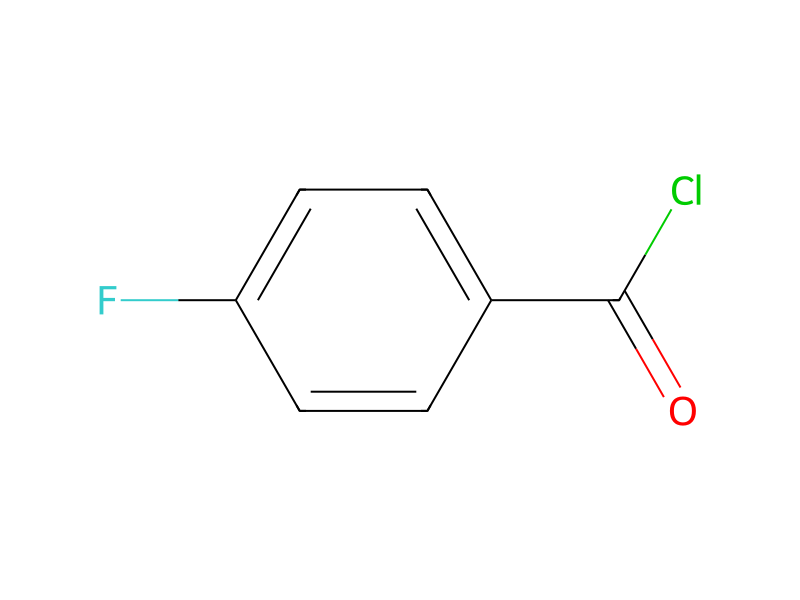
HCID 8471TriethylamineHCID 678794-Fluorobenzoyl chlorideHCID 14062544Ethyl 2-[(3-nitropyridin-2-YL)amino]acetateHCID 14390203Ethyl 2-(3-aminopyridin-2-ylamino)acetate

Product 1

HCID 15617200HCID 15617200, compoundYield 5.6%

Reagents, catalysts & solvents 2

HCID 23938
Palladium
Catalyst
HCID 8028TetrahydrofuranSolvent

Procedure

Under a nitrogen atmosphere, triethylamine (31.8 g, 0.315 mole) and 4-fluorobenzoyl chloride (50 g, 0.315 mole) were added simultaneously, dropwise, to a stirred and chilled solution of freshly prepared N-[[3-amino]-2-pyridinyl]glycine ethyl ester (0.33 mole) by palladium/carbon reduction of N-[[3-nitro]-2-pyridinyl]glycine ethyl ester, (75.3 g, 0.33 mole) in dry tetrahydrofuran (~800 ml). The reaction mixture was stirred at room temperature overnight and the solvent was evaporated under reduced pressure. The residue was partitioned between ethyl acetate (300 ml) and water (300 ml), the insoluble material was filtered off, the layers were separated and the aqueous layer was extracted again with ethyl acetate. The combined organic layer was washed three times with water, dried over magnesium sulfate, treated with charcoal, filtered and evaporated to give 76.8 g of crude solid (77% yield). A 6.8-g portion of the solid was recrystallized from isopropyl alcohol and water to give 5.63 g of title compound, mp 127° -128.5° C.


Workup

  1. stirringThe reaction mixture was stirred at room temperature overnight
  2. customthe solvent was evaporated under reduced pressure
  3. customThe residue was partitioned between ethyl acetate (300 ml) and water (300 ml)
  4. filtrationthe insoluble material was filtered off
  5. customthe layers were separated
  6. extractionthe aqueous layer was extracted again with ethyl acetate
  7. washThe combined organic layer was washed three times with water
  8. dry with materialdried over magnesium sulfate
  9. additiontreated with charcoal
  10. filtrationfiltered
  11. customevaporated
  12. customto give 76.8 g of crude solid (77% yield)
  13. customA 6.8-g portion of the solid was recrystallized from isopropyl alcohol and water

Sources & evidence

ORD record
ord-f9663f191ca3414099122db0dc7bca48
Source dataset
uspto-grants-1988_09
DOI
10.6084/m9.figshare.5104873.v1
Patent number
US04772600

Reaction notes

Loading…

On this pageParticipantsProcedureWorkupSources & evidenceReaction notes