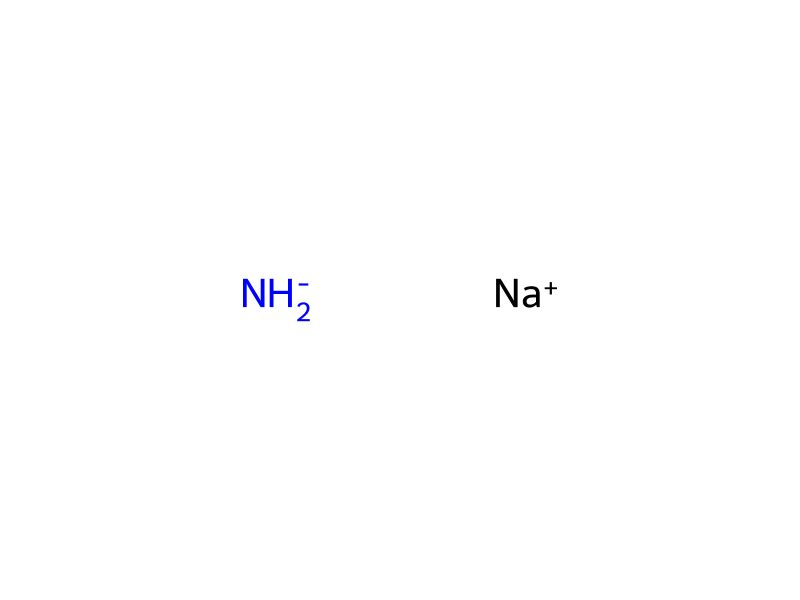
Sodium amide (0.35 g, 0.009 mole), dry THF (25 mL), and phenylacetylene (0.92 g, 0.009 mole) were placed in a 100 mL, three-necked round-bottomed flask under nitrogen. The reaction was heated at reflux while nitrogen was blown through the flask until ammonia evolution ceased. The reaction slurry was cooled to -78° C., then added to a mixture of benzoquinone (0.97 g, 0.009 mole) in THF (50 mL) at about -108° C. The reaction mixture was allowed to warm to -30° C., then quenched into a saturated solution of ammonium chloride and extracted with ether. The ether extracts were dried over anhydrous sodium sulfate, filtered and concentrated in vacuo. The residue was chromatographed as in Example 3 to yield 0.05 g (2.6%) of the title carbinol.