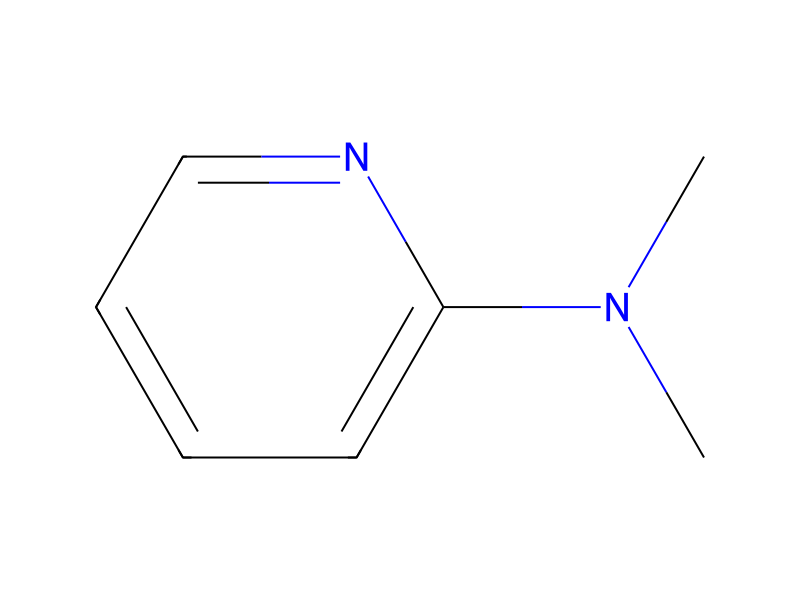
To a solution of 8.46 mmol of p-toluenesulfonylchloride, 8.4 mmol triethylamine and 0.16 mmol of dimethylaminopyridine in 5 ml of dichloromethane was added a solution of 945 mg of 1-benzyl-7-methoxy-3,4-dihydronaphthalen-2(1H)-one oxime in 5 ml dichloromethane. The solution was stirred at room temperature over night. The mixture was diluted with dichloromethane and washed with water and saturated NaHCO3 solution. The combined organic layers were dried over MgSO4 and filtered. Evaporation of the solvent gave 1.9 g of crude material that was purified by flash chromatography to yield 637 mg of the desired isomer 1-benzyl-8-methoxy-4,5-dihydro-1H-benzo[c]azepin-3(2H)-one (67%) and 248 mg of its regioisomer 1-benzyl-8-methoxy-4,5-dihydro-1H-benzo[d]azepin-2(3H)-one (26%).