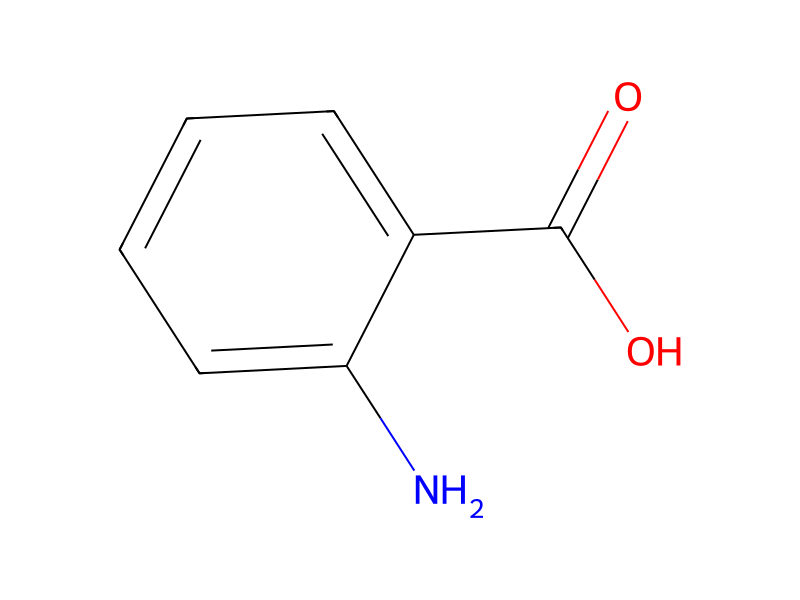
[C:1](Cl)(=[O:11])[C:2]1[CH:10]=[CH:9][C:5]([C:6](Cl)=[O:7])=[CH:4][CH:3]=1.[NH2:13][C:14]1[CH:22]=[CH:21][CH:20]=[CH:19][C:15]=1[C:16](O)=[O:17].C([N:25]([CH2:28][CH3:29])CC)C.[OH2:30]>CN(C)C(=O)C>[C:5]1([C:6]2[O:7][C:16](=[O:17])[C:15]3[CH:19]=[CH:20][CH:21]=[CH:22][C:14]=3[N:13]=2)[CH:9]=[CH:10][C:2]([C:1]2[O:11][C:9](=[O:30])[C:10]3[CH:2]=[CH:3][CH:4]=[CH:29][C:28]=3[N:25]=2)=[CH:3][CH:4]=1The synthesis was carried out in a 500 ml three-neck flask provided with magnetic stirrer, reflux condenser, drying tube and dropping funnel. 2.03 g (10 mmol) of terephthaloyl chloride were dissolved in 50 ml of N,N-dimethylacetamide and 2.74 g (20 mmol) of 2-aminobenzoic acid as powder were added thereto while stirring. A mixture of 2.02 g (20 mmol) of triethylamine and 5 ml of N,N-dimethylacetamide was subsequently slowly added dropwise at room temperature. After stirring at room temperature for 1 hour, 200 ml of water were added and the precipitate formed was filtered off with suction, washed with water and dried at 80° C. under reduced pressure. The product was then heated in 50 ml of acetic anhydride under reflux for 2 hours. After cooling, the precipitate formed was filtered off with suction and washed with acetic acid and then with water. After boiling with acetone, 3.20 g of product were obtained.
Loading…