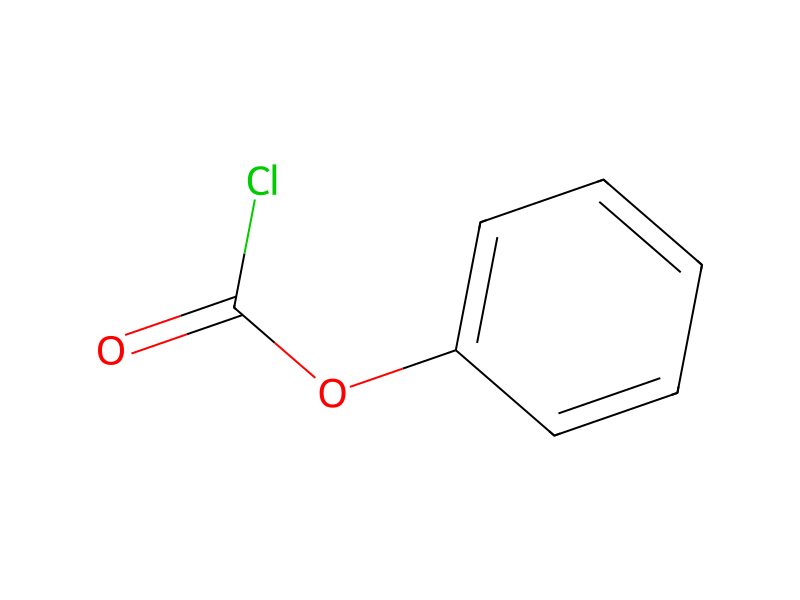
Potassium Carbonate → phenyl 3-tert-butyl-1-methyl-1H-pyrazol-5-ylcarbamate
HRID 631463
Reaction equation

[C:1]([C:5]1[CH:9]=[C:8]([NH2:10])[N:7]([CH3:11])[N:6]=1)([CH3:4])([CH3:3])[CH3:2].C([O-])([O-])=O.[K+].[K+].Cl[C:19]([O:21][C:22]1[CH:27]=[CH:26][CH:25]=[CH:24][CH:23]=1)=[O:20]>C1COCC1>[C:1]([C:5]1[CH:9]=[C:8]([NH:10][C:19](=[O:20])[O:21][C:22]2[CH:27]=[CH:26][CH:25]=[CH:24][CH:23]=2)[N:7]([CH3:11])[N:6]=1)([CH3:4])([CH3:2])[CH3:3]Participants
5