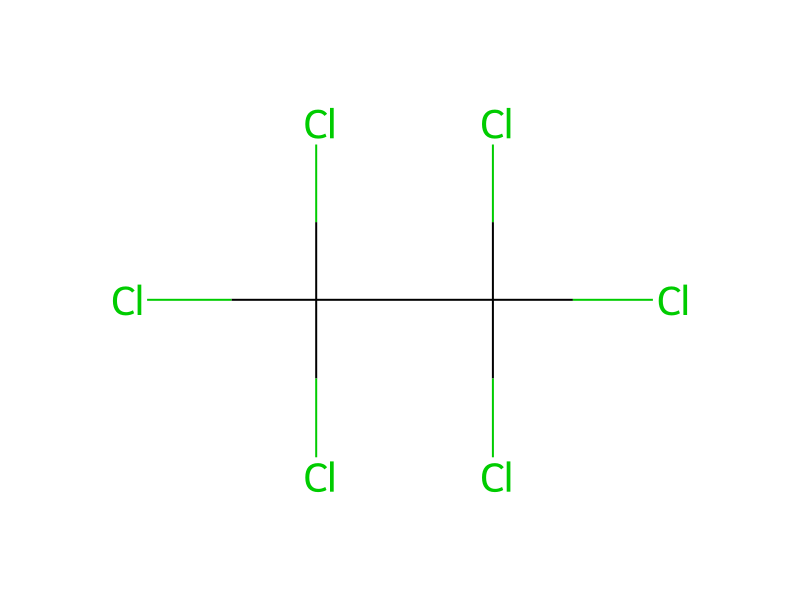
[CH:1]([NH:3][NH:4][C:5](=[O:20])[C:6]([NH:9][C:10](=[O:19])[O:11][CH2:12][C:13]1[CH:18]=[CH:17][CH:16]=[CH:15][CH:14]=1)([CH3:8])[CH3:7])=O.C1C=CC(P(C2C=CC=CC=2)C2C=CC=CC=2)=CC=1.CCN(C(C)C)C(C)C.ClC(Cl)(Cl)C(Cl)(Cl)Cl>C(#N)C>[O:20]1[CH:1]=[N:3][N:4]=[C:5]1[C:6]([NH:9][C:10](=[O:19])[O:11][CH2:12][C:13]1[CH:14]=[CH:15][CH:16]=[CH:17][CH:18]=1)([CH3:7])[CH3:8]To a suspension of benzyl 1-(2-formylhydrazinyl)-2-methyl-1-oxopropan-2-ylcarbamate (0.9 g, 3 mmol) and PPh3 (CAN 603-35-0, 1.268 g, 5 mmol) in acetonitrile (20 mL) was added DIPEA (CAN 7087-68-5, 1.249 g, 10 mmol) and hexachloroethane (CAN 67-72-1, 0.991 g, 4 mmol). The reaction mixture was stirred at room temperature under nitrogen atmosphere for 4 h. After evaporation of solvents, the residue was diluted with ethyl acetate (30 mL) and water (30 mL). The organic layer was washed with brine (30 mL), dried over anhydrous sodium sulfate and evaporated. The remaining residue was then purified by column chromatography (silica gel, 30 g, eluting with 10% ethyl acetate in petroleum ether) to give the title compound (1 g, 30% purity, 36%) as colorless oil containing OPPh3 and PPh3; MS: m/e 262.2 [M+H]+.