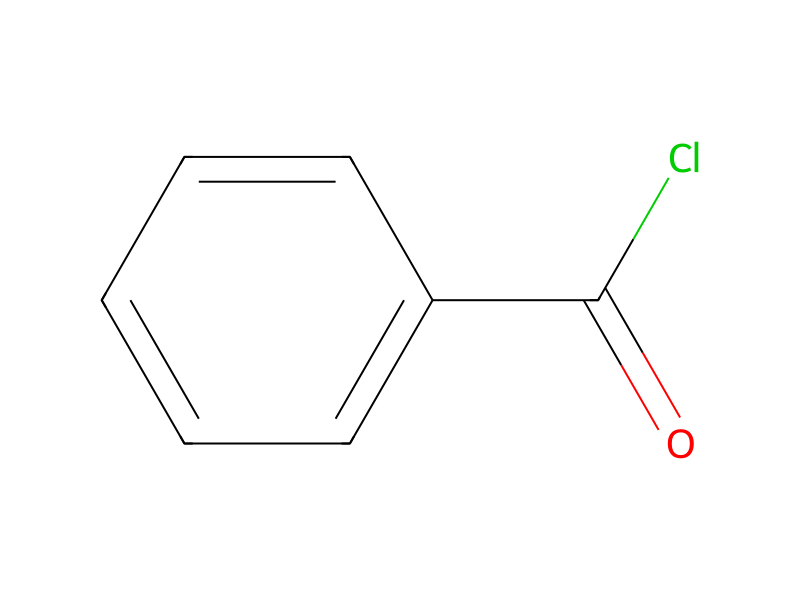
[NH2:1][C:2]1[C:7]2[N:8]([C:11]3[CH:16]=[CH:15][CH:14]=[CH:13][CH:12]=3)[CH:9]=[N:10][C:6]=2[CH:5]=[C:4]([C:17]([F:20])([F:19])[F:18])[CH:3]=1.[C:21](Cl)(=[O:28])[C:22]1[CH:27]=[CH:26][CH:25]=[CH:24][CH:23]=1.C(N(CC)CC)C>O1CCCC1>[C:21]([NH:1][C:2]1[C:7]2[N:8]([C:11]3[CH:16]=[CH:15][CH:14]=[CH:13][CH:12]=3)[CH:9]=[N:10][C:6]=2[CH:5]=[C:4]([C:17]([F:20])([F:19])[F:18])[CH:3]=1)(=[O:28])[C:22]1[CH:27]=[CH:26][CH:25]=[CH:24][CH:23]=1A mixture of 7-amino-1-phenyl-5-trifluoromethylbenzimidazole (300 mg, 1 mmol), benzoylchloride (0.23 ml, 2 mmol) and triethyl amine (0.3 ml, 2 mmol) in tetrahydrofurane (10 ml) was stirred at ambient temperature overnight. The solvent was removed under reduced pressure and the residue was partitioned between ethyl acetate and hydro chloric acid (4M). The aqueous phase was rendered alkaline with saturated, aqueous sodium carbonate and extracted with ethyl acetate. The extract was dried and concentrated under reduced pressure and the resultant gum was triturated with a mixture of diethyl ether and petroleum ether to leave the solid, off-white product (145 mg, 38%), m/z, 382.1 (M+H)+.