Reaction equation

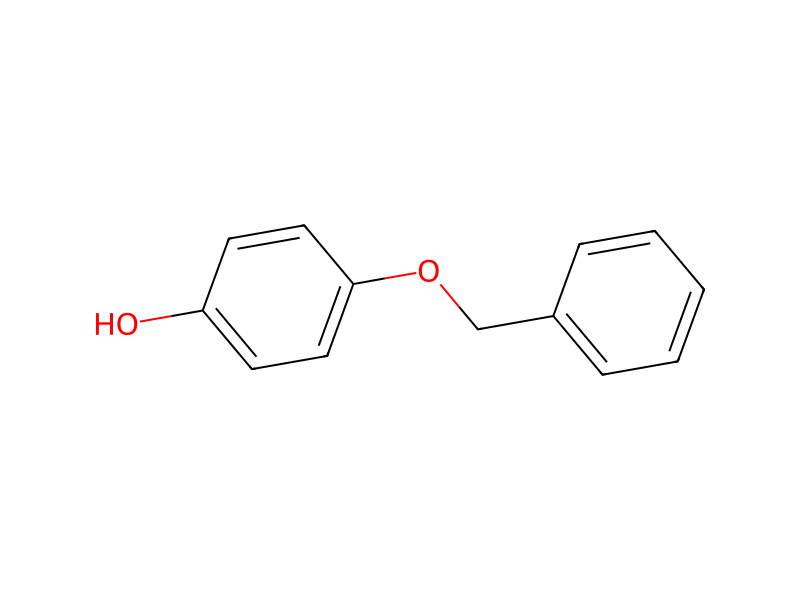
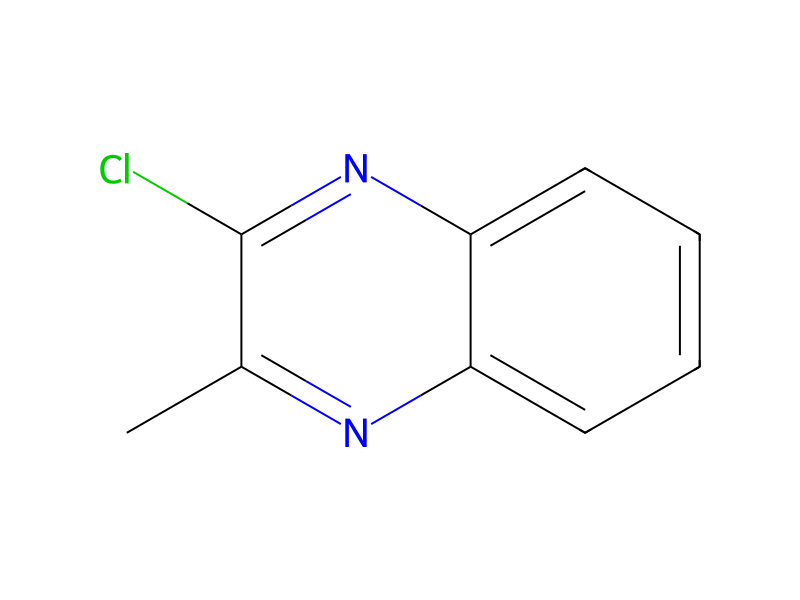
[CH2:1]([O:8][C:9]1[CH:14]=[CH:13][C:12]([OH:15])=[CH:11][CH:10]=1)[C:2]1[CH:7]=[CH:6][CH:5]=[CH:4][CH:3]=1.[H-].[Na+].[H][H].Cl[C:21]1[C:30]([CH3:31])=[N:29][C:28]2[C:23](=[CH:24][CH:25]=[CH:26][CH:27]=2)[N:22]=1>CN(C)C=O>[CH2:1]([O:8][C:9]1[CH:10]=[CH:11][C:12]([O:15][C:21]2[C:30]([CH3:31])=[N:29][C:28]3[C:23](=[CH:24][CH:25]=[CH:26][CH:27]=3)[N:22]=2)=[CH:13][CH:14]=1)[C:2]1[CH:3]=[CH:4][CH:5]=[CH:6][CH:7]=1Participants
6




Conditions
- Temperature
- 125 °C
Procedure
In a nitrogen atmosphere, a solution of 28.0 g (0.14 mole) 4-benzyloxyphenol in 50 cc dimethylformamide was added dropwise at about 15° C. to 6.0 g (0.14 mole) 57% sodium hydride in 25 cc dimethylformamide. When the evolution of hydrogen ceased, 25.0 g (0.14 mole) 2-chloro-3-methylquinoxaline was added and the reaction mixture was heated at 125° C. for about 2 hours. After standing overnight at room temperature, the reaction mixture was poured into ice-water (~500 cc). The solid product was filtered and crystallized from methanol or acetonitrile to give 36.3 g of the title compound, m.p. 99°-102° C.
Workup
- filtrationThe solid product was filtered
- customcrystallized from methanol or acetonitrile
Sources & evidence
- ORD record
- ord-de6eff3a7be146daa0c035ffca4230da
- Source dataset
- uspto-grants-1986_09
- Patent number
- US04609396
Linked notes
Loading…