HomeMCPWorkbenchSkills
HomeWorkbenchNotificationsMe
llms.txt · MCP GuidePrivacy Policy · Terms of Service · Supportv1.8.0
  1. Home
  2. /Reaction

Acetone → H acid

HRID 648847
Notes
Print preview

Reaction equation

HRID 648847 reaction equation
N[C:2]1[CH:3]=[C:4](S(O)(=O)=O)[C:5]([CH:8]=[CH:9][C:10]2[C:11]([S:17]([OH:20])(=[O:19])=[O:18])=[CH:12][C:13]([NH2:16])=CC=2)=[CH:6][CH:7]=1.[N:25]1[C:32](Cl)=NC(Cl)=NC=1Cl.C(=O)([O-])[O-].[Na+].[Na+].[CH3:40][C:41]([CH3:43])=[O:42]>O>[CH:10]1[C:11]([S:17]([OH:20])(=[O:18])=[O:19])=[CH:12][C:13]([NH2:16])=[C:43]2[C:9]=1[CH:8]=[C:5]([S:17]([OH:20])(=[O:19])=[O:18])[CH:40]=[C:41]2[OH:42].[NH2:25][C:32]1[C:6]([CH3:5])=[CH:7][CH:2]=[CH:3][CH:4]=1
ParticipantsProcedureWorkupSources & evidenceReaction notes

Participants

7

Reactant 4

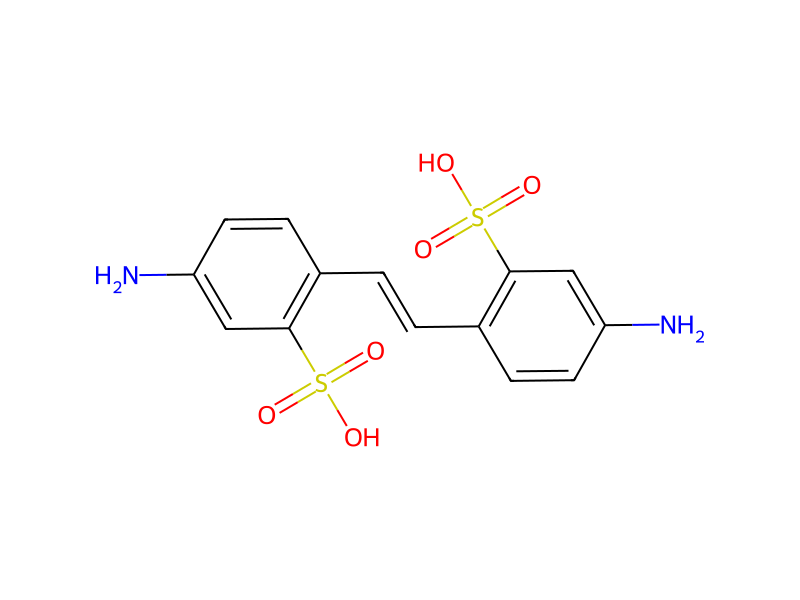
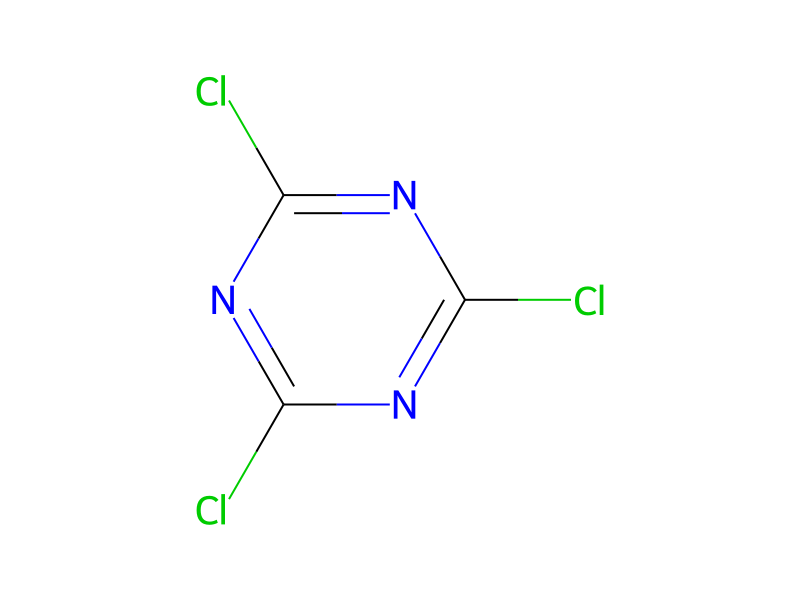
HCID 180AcetoneHCID 6668Diaminostilbenedisulfonic acidHCID 7954Cyanuric chlorideHCID 10340Sodium Carbonate

Product 2

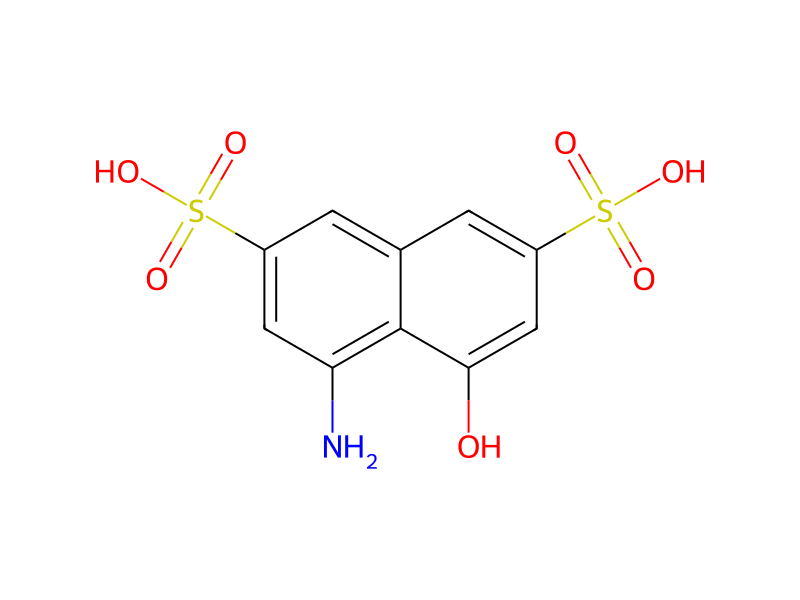
HCID 7009H acidHCID 7242O-Toluidine

Reagents, catalysts & solvents 1

HCID 962
Water
Solvent

Procedure

The above dyes can be prepared by a conventional method. For example, the dye (5) can be prepared as follows: One mole of 4,4'-diaminostilbene 2,2'-disulfonic acid is dissolved in water. To this solution, (1) 2 moles of cyanuric chloride dissolved in acetone and (2) an aqueous solution of sodium carbonate are simultaneously added at temperatures below 0° C., with the mixuture kept unalkaline, thereby allowing the added components to react for 2 hours. To the above reaction mixture is added a monoazo dye obtained by a conventional reaction of H-acid and o-toluidine. The monoazo dye is dissolved in the reaction mixture. To this reaction mixture, an aqueous solution of sodium carbonate is further added, with the reaction mixture kept unalkaline, so that the reaction mixture is allowed to react at room temperature for 10 hours. Thereafter, the temperature of the reaction mixture is gradually raised to 60° C. and the reaction is continued for 1 hour. Aniline and sodium carbonate are then added to the reaction mixture and the temperature of the reaction mixture is raised to 90° C., so that the reaction is further continued for 3 hours. After cooling the reaction mixture, the dye (5) is obtained by a salting-out technique using a 20% aqueous solution of sodium chloride.


Workup

  1. customThe above dyes can be prepared by a conventional method
  2. customto react for 2 hours

Sources & evidence

ORD record
ord-ef731e6e6f474d9bb81c18668c7998dc
Source dataset
uspto-grants-1988_04
DOI
10.6084/m9.figshare.5104873.v1
Patent number
US04737190

Reaction notes

Loading…

On this pageParticipantsProcedureWorkupSources & evidenceReaction notes