HomeMCPSkillsWorkbenchOpenChem
HomeWorkbenchNotificationsMe
llms.txt · skill.md · MCP GuidePrivacy Policy · Terms of Service · Supportv1.8.4
  1. Home
  2. /Reaction

1-Bromo-4-fluorobenzene → HCID 20141784, compound

HRID 649535
Print

Reaction equation

C([Li])CCC.Br[C:7]1[CH:12]=[CH:11][C:10]([F:13])=[CH:9][CH:8]=1.I[C:15]1[N:16]=[C:17]([CH3:32])[N:18]([C:20]2[CH:21]=[C:22]3[C:27](=[C:28]([CH3:30])[CH:29]=2)[NH:26][C:25](=[O:31])[CH:24]=[CH:23]3)[CH:19]=1>CCCCCC.O1CCCC1.[Cl-].[Zn+2].[Cl-].C1C=CC([P]([Pd]([P](C2C=CC=CC=2)(C2C=CC=CC=2)C2C=CC=CC=2)([P](C2C=CC=CC=2)(C2C=CC=CC=2)C2C=CC=CC=2)[P](C2C=CC=CC=2)(C2C=CC=CC=2)C2C=CC=CC=2)(C2C=CC=CC=2)C2C=CC=CC=2)=CC=1>[F:13][C:10]1[CH:11]=[CH:12][C:7]([C:15]2[N:16]=[C:17]([CH3:32])[N:18]([C:20]3[CH:21]=[C:22]4[C:27](=[C:28]([CH3:30])[CH:29]=3)[NH:26][C:25](=[O:31])[CH:24]=[CH:23]4)[CH:19]=2)=[CH:8][CH:9]=1
ParticipantsProcedureWorkupSources & evidenceReaction notes

Participants

8

Reactant 3

HCID 99931-Bromo-4-fluorobenzeneHCID 143503486-(4-Iodo-2-methylimidazol-1-yl)-8-methyl-2-(1H)-quinoloneHCID 178418339Butyllithium

Product 1

HCID 20141784HCID 20141784, compound

Reagents, catalysts & solvents 4

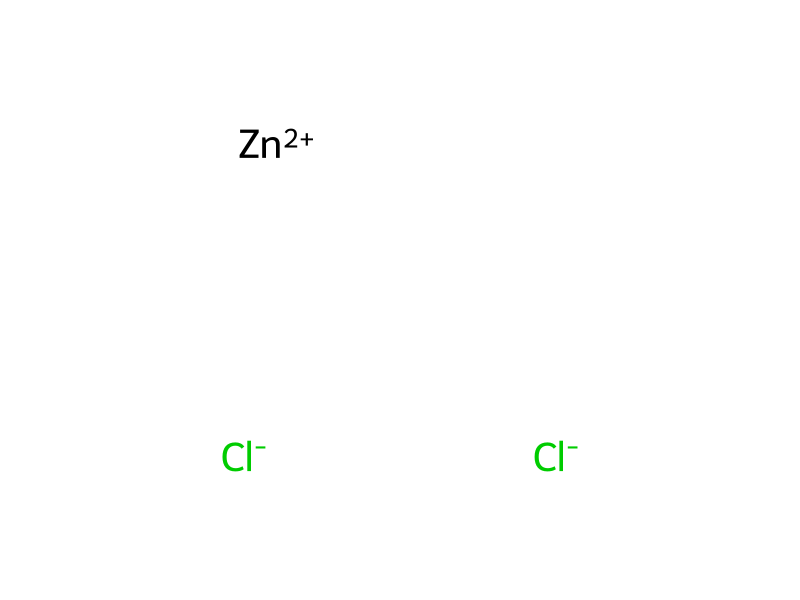
HCID 3007855SinkkikloridiCatalyst
HCID 178418397
HCID 178418397, compound
Catalyst
HCID 8028TetrahydrofuranSolvent2×
HCID 8058HexaneSolvent

Procedure

n-Butyllithium (3.5 cm3 of a 1.43M solution in n-hexane) was added dropwise to a stirred solution of 4-bromo-fluorobenzene (0.88 g) in tetrahydrofuran (THF) (20 cm3) at -70° under nitrogen. After 0.5 hours a solution of anhydrous zinc chloride (0.68 g) in THF (10 cm3) was added dropwise, and the mixture was warmed to room temperature over 1 hour. 6-(4-Iodo-2-methylimidazol-1-yl)-8-methyl-2-(1H)-quinolone (0.37 g) and tetrakis(triphenylphosphine)palladium (O) (0.01 g) were added and the mixture heated under reflux for 1.5 hours. The cooled solution was quenched with water (10 cm3) and poured into a saturated solution of ethylenediaminetetraacetic acid disodium salt in water (30 cm3), which had been adjusted to pH 9 by addition of sodium carbonate solution. This mixture was extracted with dichloromethane (3×100 cm3) and the combined and dried (MgSO4) extracts were evaporated in vacuo to give a residue which was chromatographed on silica (Merck "MK 60.9385" [Trade Mark]) eluting with methanol:dichloromethane, 1:19 by volume. Collection and evaporation of appropriate fractions afforded a solid which was recrystallised from ethyl acetate to give the title compound, m.p. 289°-291° (0.14 g).

Workup

  1. temperaturethe mixture heated
  2. temperatureunder reflux for 1.5 hours
  3. customThe cooled solution was quenched with water (10 cm3)
  4. additionpoured into a saturated solution of ethylenediaminetetraacetic acid disodium salt in water (30 cm3), which
  5. additionhad been adjusted to pH 9 by addition of sodium carbonate solution
  6. extractionThis mixture was extracted with dichloromethane (3×100 cm3)
  7. dry with materialdried (MgSO4) extracts
  8. customwere evaporated in vacuo
  9. customto give a residue which
  10. customwas chromatographed on silica (Merck "MK 60.9385" [Trade Mark])
  11. washeluting with methanol
  12. customCollection and evaporation of appropriate fractions
  13. customafforded a solid which
  14. customwas recrystallised from ethyl acetate

Sources & evidence

ORD record
ord-5d2af655b2e14e0d8402555b3141ab13
Source dataset
uspto-grants-1988_04
DOI
10.6084/m9.figshare.5104873.v1
Patent number
US04740513

Reaction notes

On this pageParticipantsProcedureWorkupSources & evidenceReaction notes