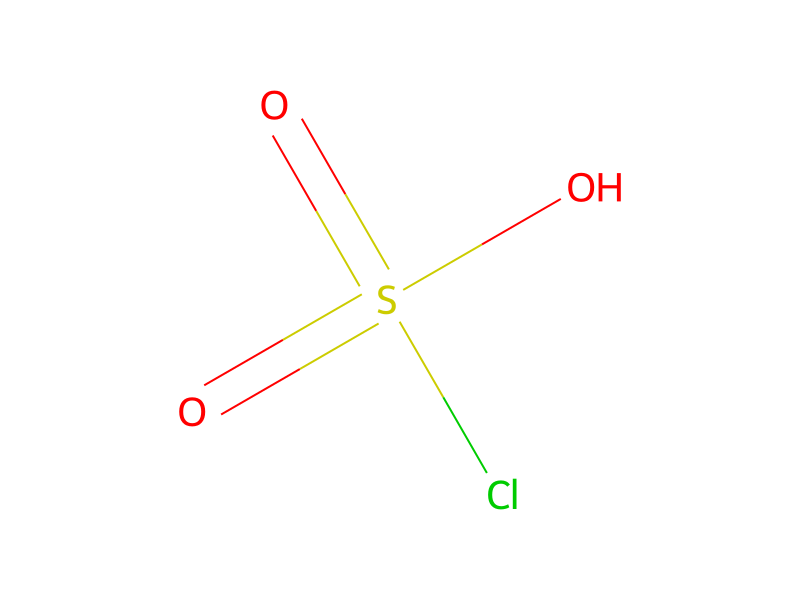
A benzene solution of 180 g (1.5 moles) of mesitylene, 90 g of aluminum chloride and 13 g of nickel dichloride was stirred at 70° C. to 80° C. Simultaneously, 125 ml of formic acid was added dropwise to 230 ml of chlorosulfonic acid to generate carbon monoxide and hydrogen chloride gas which were blown into the above benzene solution for 6 hours. Next, water and ethyl acetate were added to the solution which was separated into an organic and an aqueous layer. The organic layer was washed with an aqueous solution of sodium chloride, dried over magnesium sulfate, and concentrated under reduced pressure. The residue was purified by silica gel column chromatography (eluent: n-hexane/ethyl acetate=8/1) to give 34.5 g (0.233 mole) of 2,4,6-trimethylbenzaldehyde as a colorless oil.