HomeMCPWorkbenchSkills
HomeWorkbenchNotificationsMe
llms.txt · MCP GuidePrivacy Policy · Terms of Service · Supportv1.8.3
  1. Home
  2. /Reaction

L-Pyroglutamic Acid → 2-Nonyne, 1-bromo-

HRID 652111
Print

Reaction equation

HRID 652111 reaction equation
N1[C:5](=O)[CH2:4][CH2:3][C@H:2]1[C:7](O)=O.CS(Cl)(=O)=O.S([O-])(=O)(=O)C.[Br-:20].[Li+]>C(O)C.CC(C)=O.C(N(CC)CC)C>[Br:20][CH2:7][C:2]#[C:3][CH2:4][CH2:5][CH2:7][CH2:2][CH2:3][CH3:4]
ParticipantsProcedureSources & evidenceReaction notes

Participants

8

Reactant 4

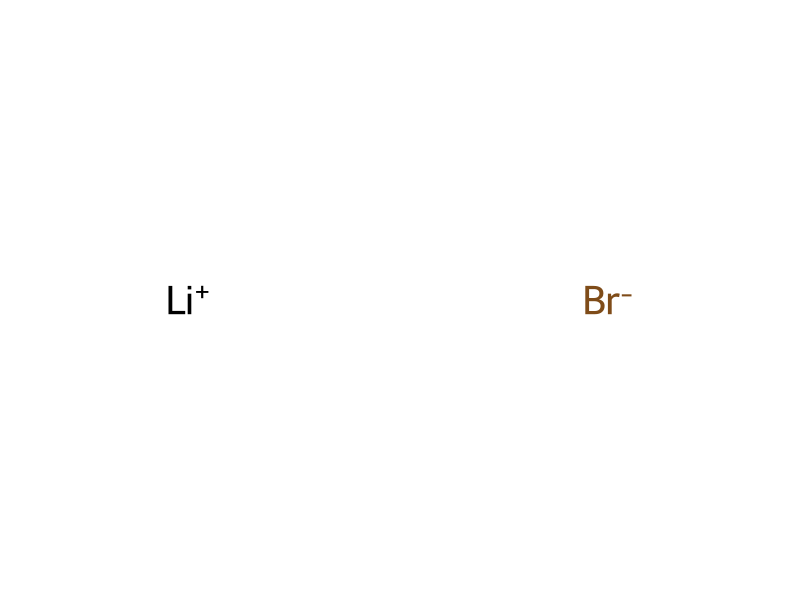
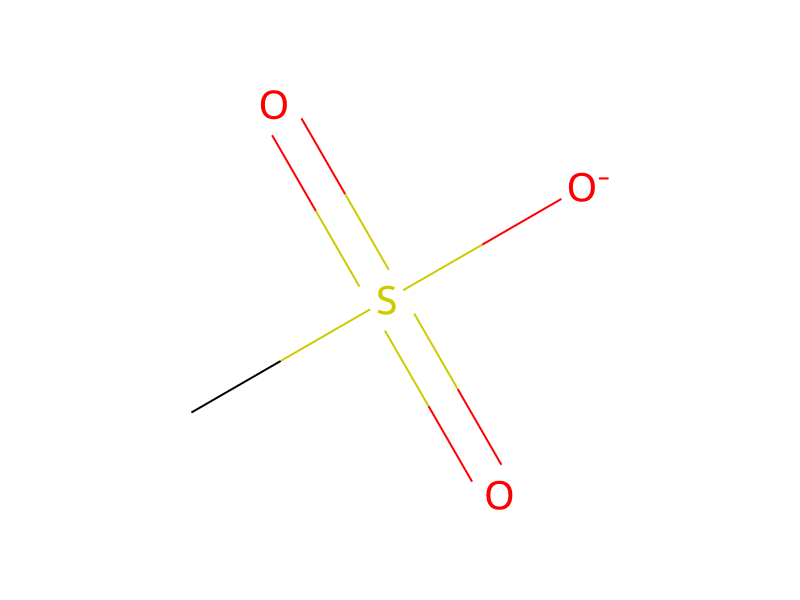
HCID 7405L-Pyroglutamic AcidHCID 31297Methanesulfonyl chlorideHCID 82050Lithium BromideHCID 85257Methanesulfonate

Product 1

HCID 109325492-Nonyne, 1-bromo-

Reagents, catalysts & solvents 3

HCID 180AcetoneSolvent
HCID 702
Ethanol
Solvent
HCID 8471TriethylamineSolvent

Procedure

Pentadeca-2,5,8-triyn-1-ol tetrahydropyranyl ether can be prepared by coupling propargyl alcohol tetrahydropyranyl ether with n-hexyl bromide in the presence of lithium amide, to produce 2-nonyn-1-ol tetrahydropyranyl ether, then hydrolysing of the tetrahydropyranyloxy function with Pyr/PTS in ethanol solution followed by esterification of the hydroxy compound with methanesulfonyl chloride in the presence of triethylamine. The mesylate is then reacted with lithium bromide in acetone solution to produce 1-bromo-2-nonyne. Finally the latter compound is coupled with hexa-2,5-diyn-1-ol-tetrahydropyranyl ether in the presence of ethylmagnesium bromide and cuprous chloride. The sequence of reaction conditions are essentially the same as those described hereinafter in detail.

Sources & evidence

ORD record
ord-530307813a854e9ea361e3207bdeb69f
Source dataset
uspto-grants-1987_06
DOI
10.6084/m9.figshare.5104873.v1
Patent number
US04670465

Reaction notes

On this pageParticipantsProcedureSources & evidenceReaction notes