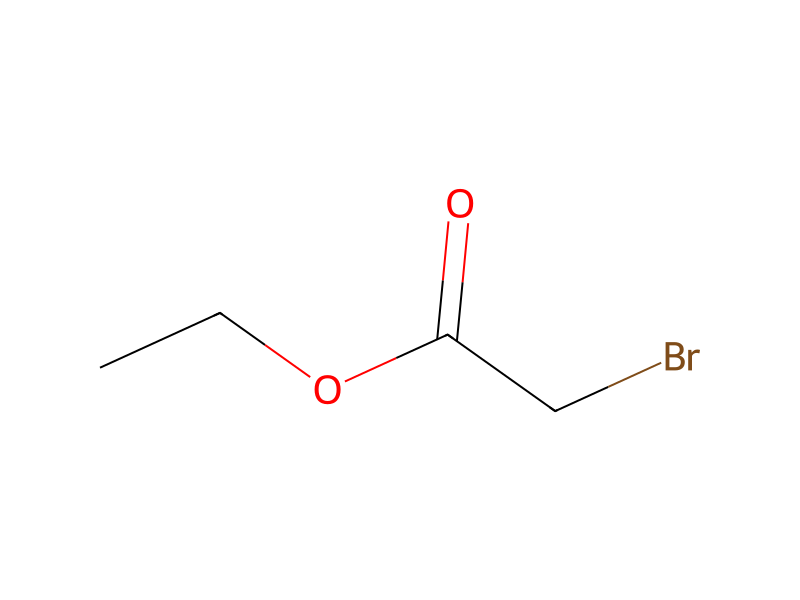
Cl[C:2]1[C:16]([Cl:17])=[C:15]([OH:18])[CH:14]=[CH:13][C:3]=1[C:4](=[N:11][OH:12])[C:5]1[CH:10]=[CH:9][CH:8]=[CH:7][CH:6]=1.[H-].[Na+].Br[CH2:22][C:23]([O:25][CH2:26][CH3:27])=[O:24].O>CN(C)C=O.C1(C)C=CC=CC=1>[CH2:26]([O:25][C:23](=[O:24])[CH2:22][O:18][C:15]1[CH:14]=[CH:13][C:3]2[C:4]([C:5]3[CH:10]=[CH:9][CH:8]=[CH:7][CH:6]=3)=[N:11][O:12][C:2]=2[C:16]=1[Cl:17])[CH3:27]A solution of 2,3-dichloro-4-hydroxybenzophenone oxime and 2.6 g of sodium hydride in 50 ml of dimethylformamide and 50 ml of toluene is heated to 118° C. and maintained at this temperature for 50 minutes. Thereafter, the reaction is permitted to cool prior to the dropwise addition of 7.9 g of ethyl bromoacetate in 50 ml of dimethylformamide. After the addition is complete the reaction mixture is stirred at ambient temperature for 40 minutes. To the well stirred mixture water is added dropwise to decompose any excess sodium hydride. The toluene is evaporated under vacuum and the resulting precipitate is collected by filtration and then rinsed with ether to yield the product ethyl[(7-chloro-3-phenyl-1,2-benzisoxazol-6-yl)oxy]acetate having a melting point of 130° to 132° C.