HomeMCPSkillsWorkbenchOpenChem
HomeWorkbenchNotificationsMe
llms.txt · skill.md · MCP GuidePrivacy Policy · Terms of Service · Supportv1.8.4
  1. Home
  2. /Reaction

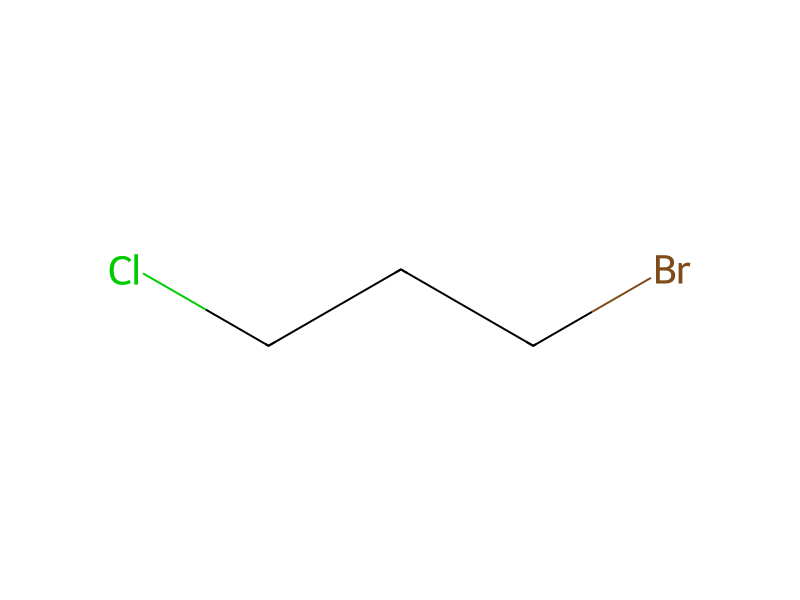
1-Bromo-3-chloropropane → 5-Chloro-2-(3,4-dimethoxyphenyl)-2-isopropylvaleronitrile

HRID 65306
Print

Reaction equation

[CH3:1][O:2][C:3]1[CH:4]=[C:5]([CH:11]([CH:14]([CH3:16])[CH3:15])[C:12]#[N:13])[CH:6]=[CH:7][C:8]=1[O:9][CH3:10].[NH2-].[Na+].Br[CH2:20][CH2:21][CH2:22][Cl:23]>C1(C)C=CC=CC=1>[CH3:1][O:2][C:3]1[CH:4]=[C:5]([C:11]([CH:14]([CH3:16])[CH3:15])([CH2:20][CH2:21][CH2:22][Cl:23])[C:12]#[N:13])[CH:6]=[CH:7][C:8]=1[O:9][CH3:10]
ParticipantsConditionsProcedureWorkupSources & evidenceReaction notes

Participants

5

Reactant 3

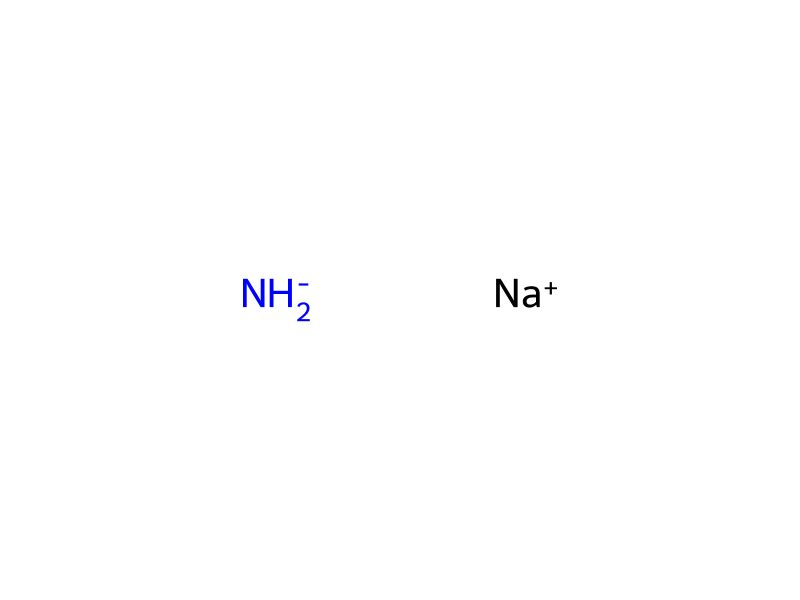
HCID 80061-Bromo-3-chloropropaneHCID 24533Sodium amideHCID 893962-(3,4-Dimethoxyphenyl)-3-methylbutanenitrile

Product 1

HCID 6199535-Chloro-2-(3,4-dimethoxyphenyl)-2-isopropylvaleronitrile

Reagents, catalysts & solvents 1

HCID 1140TolueneSolvent2×

Conditions

Temperature
15 °C

Procedure

A solution of 2-(3,4-dimethoxyphenyl)-2-isopropylacetonitrile (6a) in toluene is slowly added to sodium amide (1.5 eq) in toluene, and the resulting mixture warmed to 80°-90° C. for one hour. The mixture was then cooled to 15° C. and 1-bromo-3-chloropropane (2 eq) slowly added and stirred for two hours at room temperature. The mixture is then carefully poured into ice water, extracted with CH2Cl2, and vacuum distilled to yield 2-(3,4-dimethoxyphenyl)-2-isopropyl-2-(3-chloropropyl)acetonitrile (21, b.p. 160°-165°/0.05 mmHg).

Workup

  1. temperaturethe resulting mixture warmed to 80°-90° C. for one hour
  2. extractionextracted with CH2Cl2, and vacuum
  3. distillationdistilled

Sources & evidence

ORD record
ord-7dad1f2413ae4720a170013ffa19b5ad
Source dataset
uspto-grants-1986_09
DOI
10.6084/m9.figshare.5104873.v1
Patent number
US04613606

Reaction notes

On this pageParticipantsConditionsProcedureWorkupSources & evidenceReaction notes