Reaction equation

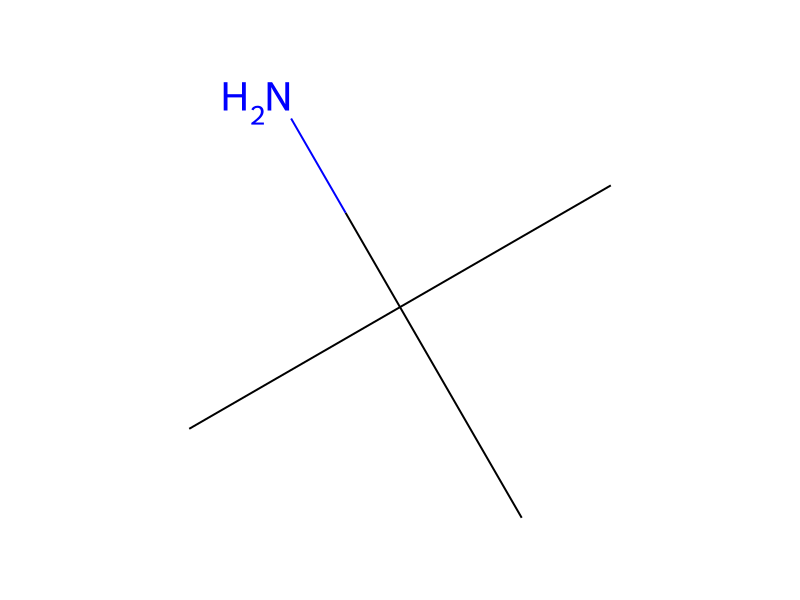
[C:1]([C:5]1[CH:6]=[C:7]([CH:11]=[C:12]([C:15]([CH3:18])([CH3:17])[CH3:16])[C:13]=1[OH:14])[C:8](Cl)=[O:9])([CH3:4])([CH3:3])[CH3:2].ClCCl.[C:22]([NH2:26])([CH3:25])([CH3:24])[CH3:23].Cl>C1C=CC=CC=1.CCCCCC>[C:1]([C:5]1[CH:6]=[C:7]([CH:11]=[C:12]([C:15]([CH3:18])([CH3:17])[CH3:16])[C:13]=1[OH:14])[C:8]([NH:26][C:22]([CH3:25])([CH3:24])[CH3:23])=[O:9])([CH3:4])([CH3:3])[CH3:2]Participants
6




Procedure
To a stirred solution of 13.43 g. (0.05 mole) of 3,5-di(t-butyl)-4-hydroxybenzoyl chloride in 50 ml. of dichloromethane is added dropwise 8.77 g. (0.12 mole) of t-butylamine. The mixture obtained is neutralized carefully with 10 percent hydrochloric acid and washed thrice with 200 ml. portions of water. The organic layer is dried, then evaporated under vacuum to provide a white residue. The residue is dissolved in hot benzene-hexane mixture and crystallized to provide 3,5-di(t-butyl)-4-hydroxy-N-t-butylbenzamide, m.p. 207°-208° C.
Workup
- customThe mixture obtained
- washwashed thrice with 200 ml
- customThe organic layer is dried
- customevaporated under vacuum
- customto provide a white residue
- customcrystallized
Sources & evidence
- ORD record
- ord-523687a5a331470bbda2d360c890f3dd
- Source dataset
- uspto-grants-1978_12
- Patent number
- US04128664
Linked notes
Loading…