Reaction equation

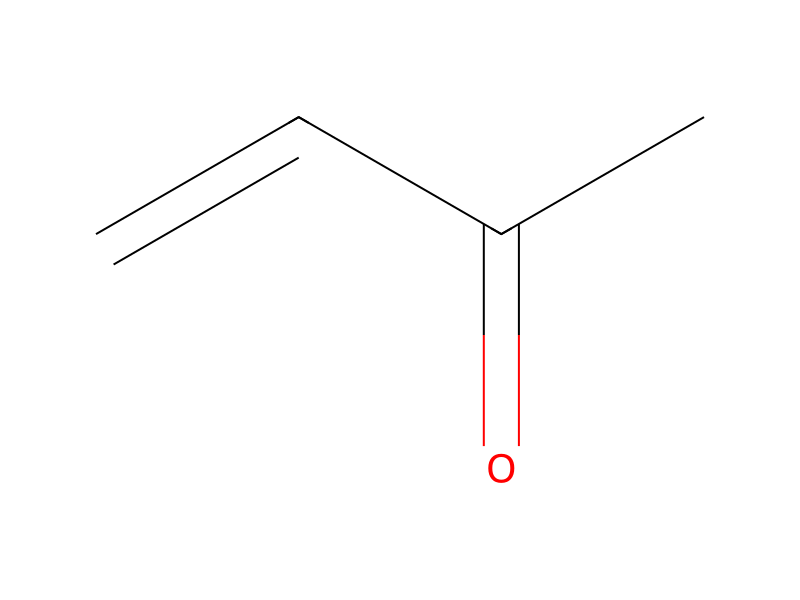
C(C(C)=[O:4])=C.C1(C=CC(O)=CC=1)O.[CH3:14][O-:15].[Na+].CC(O[CH2:21][C:22]1[C:35]2[C:30](=[CH:31]C=C[CH:34]=2)[C:29](COC(C)=O)=[C:28]2[C:23]=1[CH:24]=[CH:25]C=C2)=O>C(C(CC)=O)C.O>[CH3:21][C:22]1[C:35](=[O:4])[CH:30]([CH3:31])[CH2:29][CH2:28][C:23]=1[CH3:24].[CH3:28][CH:23]1[CH2:24][CH2:25][C:14](=[O:15])[CH:21]=[C:22]1[CH2:35][CH3:34]Participants
Reactant 4

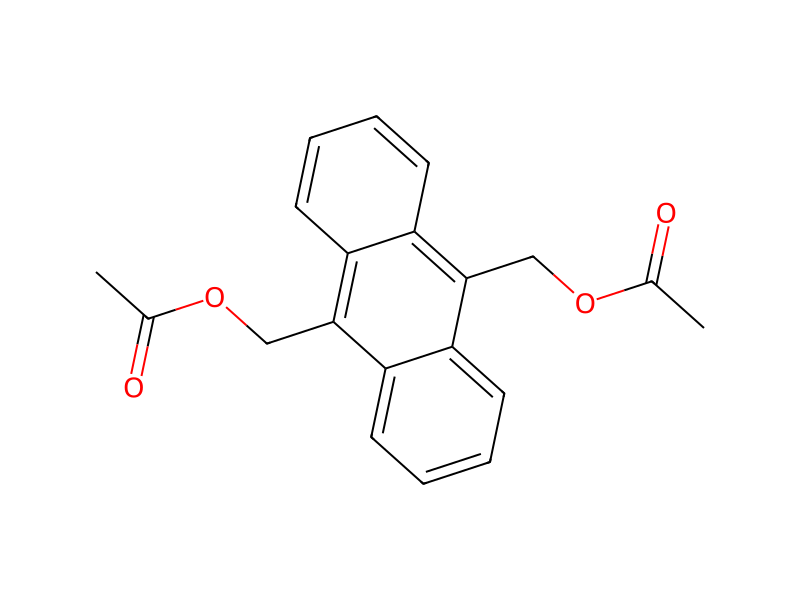

Product 2


Reagents, catalysts & solvents 2


Procedure
A mixture of 70 g of methyl vinyl ketone, 10 g of water and 0.1 g of hydroquinone is dripped in the course of one hour into a mixture of 400 g of diethyl ketone and 10 g of a 30% by weight methanolic solution of sodium methylate which is boiling under reflux. The whole is then heated for another two hours under reflux. The mixture obtained is neutralized with glacial acetic and then filtered. Excess diethyl ketone and the water present are distilled off and the residue is fractionated in vacuo. 81 g of 2,3,6-trimethyl-2-cyclohexen-1-one having a boiling point of 89° C. at 12 mm Hg and 9 g of 4-methyl-3-ethyl-2-cyclohexen-1-one having a boiling point of 102° C. at 12 mm Hg are obtained. The total yield of cyclohexenone is 65% with reference to methyl vinyl ketone.
Workup
- temperatureunder reflux
- temperatureThe whole is then heated for another two hours
- temperatureunder reflux
- customThe mixture obtained
- filtrationfiltered
- distillationExcess diethyl ketone and the water present are distilled off
Sources & evidence
- ORD record
- ord-b41c8aabc0ed4695882d0191604779f4
- Source dataset
- uspto-grants-1978_12
- Patent number
- US04128728
Linked notes
Loading…