Reaction equation

[CH:1](=O)[C:2]1[C:3](=[CH:5][CH:6]=[CH:7][CH:8]=1)[OH:4].[C:10]1([CH2:18][NH2:19])[CH:15]=[CH:14][CH:13]=[C:12]([CH2:16][NH2:17])[CH:11]=1>C(O)(C)C.[Ni]>[OH:4][C:3]1[CH:5]=[CH:6][CH:7]=[CH:8][C:2]=1[CH2:1][NH:17][CH2:16][C:12]1[CH:13]=[CH:14][CH:15]=[C:10]([CH2:18][NH:19][CH2:1][C:2]2[CH:8]=[CH:7][CH:6]=[CH:5][C:3]=2[OH:4])[CH:11]=1Participants
Reactant 2
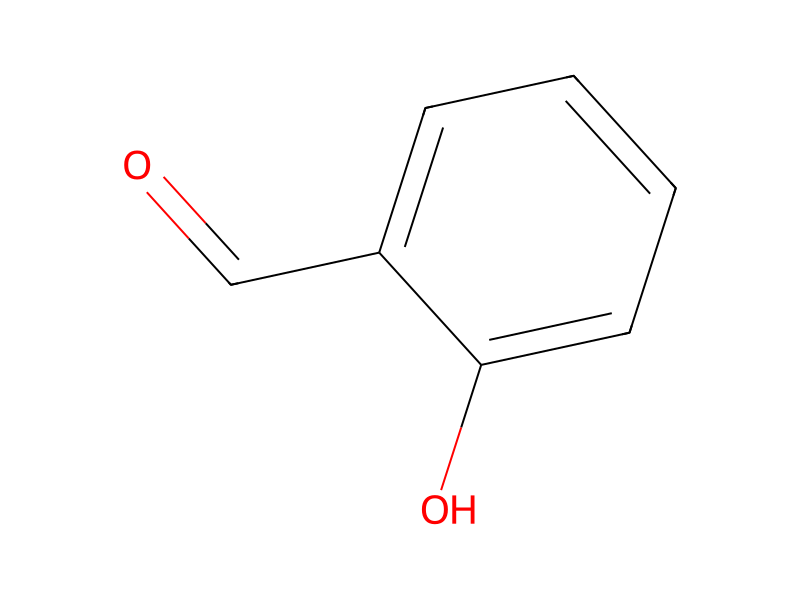

Product 1

Reagents, catalysts & solvents 2


Procedure
34.4 g of a bisazomethine prepared from 2 mols of salicylaldehyde and 1 mol of m-xylylenediamine and having a melting point of 61°-63° C. are hydrogenated for 7 hours in 170 ml of isopropanol in an autoclave in the presence of 4 g of Raney nickel at 85° C. and under a pressure of 60 atmospheres. The catalyst is filtered off and the filtrate is concentrated in a rotary evaporator to give 35.8 g of crude product. 25.7 g are recrystallised from 77 ml of isopropanol and the bulk of the product separates out on cooling in a refrigerator. The precipitate is collected by filtration, washed off with cold isopropanol and dried in vacuo at 40° C., affording 11.0 g (41.8% of theory) of N,N'-bis-(2-hydroxybenzyl)-m-xylylenediamine with a melting point of 67°-68° C.
Workup
- filtrationThe catalyst is filtered off
- concentrationthe filtrate is concentrated in a rotary evaporator
- customto give 35.8 g of crude product
- custom25.7 g are recrystallised from 77 ml of isopropanol
- temperatureon cooling in a refrigerator
- filtrationThe precipitate is collected by filtration
- washwashed off with cold isopropanol
- customdried in vacuo at 40° C.
Sources & evidence
- ORD record
- ord-3cf7519bbe4349b79ea103fe0719360e
- Source dataset
- uspto-grants-1978_12
- Patent number
- US04129556
Linked notes
Loading…