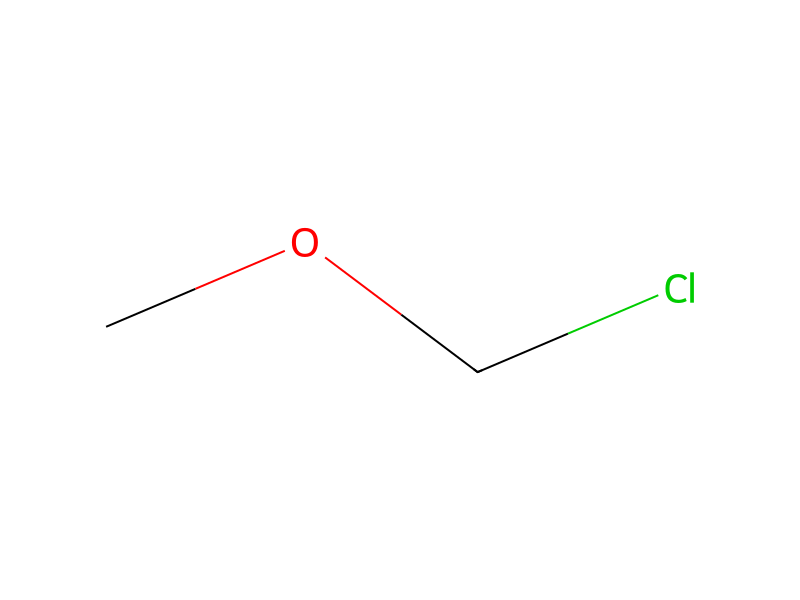
[H-].[Na+].[F:3][C:4]1[CH:9]=[CH:8][C:7]([C:10]2[C:14]3=[N:15][CH:16]=[C:17]([CH3:19])[CH:18]=[C:13]3[NH:12][C:11]=2[C:20]2[CH:25]=[CH:24][N:23]=[CH:22][CH:21]=2)=[CH:6][CH:5]=1.[CH3:26][O:27][CH2:28]Cl.[Cl-].[NH4+]>CN(C)C=O>[F:3][C:4]1[CH:5]=[CH:6][C:7]([C:10]2[C:14]3=[N:15][CH:16]=[C:17]([CH3:19])[CH:18]=[C:13]3[N:12]([CH2:26][O:27][CH3:28])[C:11]=2[C:20]2[CH:21]=[CH:22][N:23]=[CH:24][CH:25]=2)=[CH:8][CH:9]=1Sodium hydride (22 mg, 0.55 mmole 60% in oil) is added to a solution of 150 mg (0.5 mmole) of 3-(4-Fluoro-phenyl)-6-methyl-2-pyridin-4-yl-1H-pyrrolo[3,2-b]pyridine (prepared as described in example 1) in 5 mL of dimethylformamide at room temperature. After 30 min. at room temperature, a solution of 44.5 mg of chloromethyl methyl ether in 0.5 mL of DMF is added to the reaction mixture. After 45 min. at room temperature, the reaction mixture is poured into ammonium chloride solution and extracted with ethyl acetate. The organic phase is washed with water and dried over magnesium sulfate. The solid residue after concentration is recrystallized into ethyl acetate/hexane mixture (1/2) to afford 70 mg of pure 3-(4-Fluoro-phenyl)-1-methoxymethyl-6-methyl-2-pyridin-4-yl-1H-pyrrolo[3,2-b]pyridine as a yellowish solid.