Reaction equation
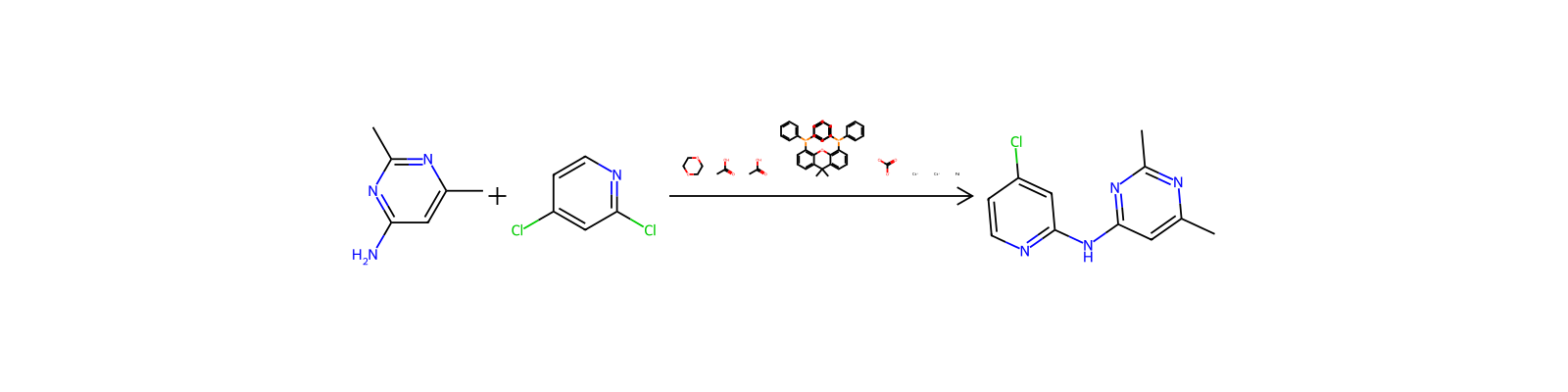
Cc1cc(N)nc(C)n1.Clc1ccnc(Cl)c1>C1COCCO1.CC(=O)O.CC(=O)O.CC1(C)c2cccc(P(c3ccccc3)c3ccccc3)c2Oc2c(P(c3ccccc3)c3ccccc3)cccc21.O=C([O-])[O-].[Cs+].[Cs+].[Pd]>Cc1cc(Nc2cc(Cl)ccn2)nc(C)n1Participants
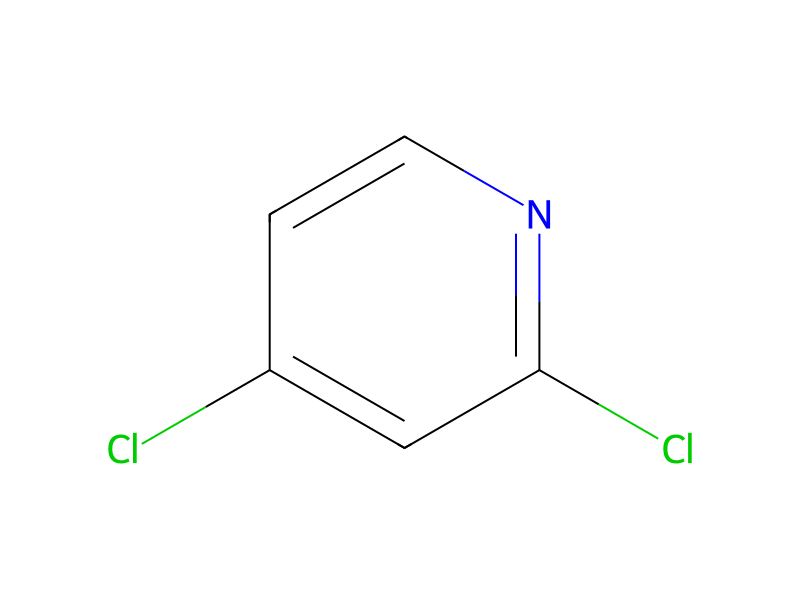
Reactant 2

Product 1

Reagents, catalysts & solvents 4



Conditions
- Temperature
- 100 °C
Procedure
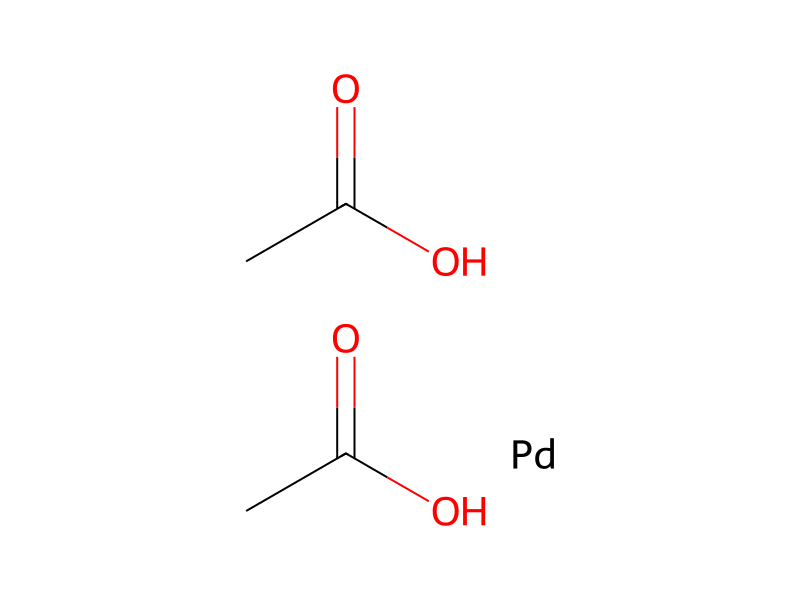
Palladium(II) acetate (0.607 g, 2.70 mmol) was added to 2,4-dichloropyridine (5.00 g, 33.79 mmol), 2,6-dimethylpyrimidin-4-amine (4.16 g, 33.79 mmol), 9,9-Dimethyl-4,5-bis(diphenylphosphino)xanthene (2.346 g, 4.05 mmol) and Cesium carbonate (22.02 g, 67.57 mmol) in dioxane (150 mL) at 20ºC under nitrogen. The resulting suspension was stirred at 100 °C for 90 minutes. Complete reaction by LCMS, cooled to room temperature. The reaction mixture was then filtered, washed with DCM and filtrate concentrated _in vacuo_ to give a yellow gum. This was then dissolved in DCM (200 mL), washed with water (200 mL) and brine (200 mL). The organic layer was passed through phase separating cartridge and concentrated under reduced pressure. The crude product was purified by flash silica chromatography, elution gradient 0 to 5% MeOH in DCM. Pure fractions were evaporated to dryness to afford N-(4-chloropyridin-2-yl)-2,6-dimethylpyrimidin-4-amine (4.86 g, 61.2 %) as a yellow solid.
Sources & evidence
- ORD record
- ord-f20b22261a054781bd10039c93816deb
- Source dataset
- 750 AstraZeneca ELN dataset
- Original link
- View source
Linked notes
Loading…