Reaction equation

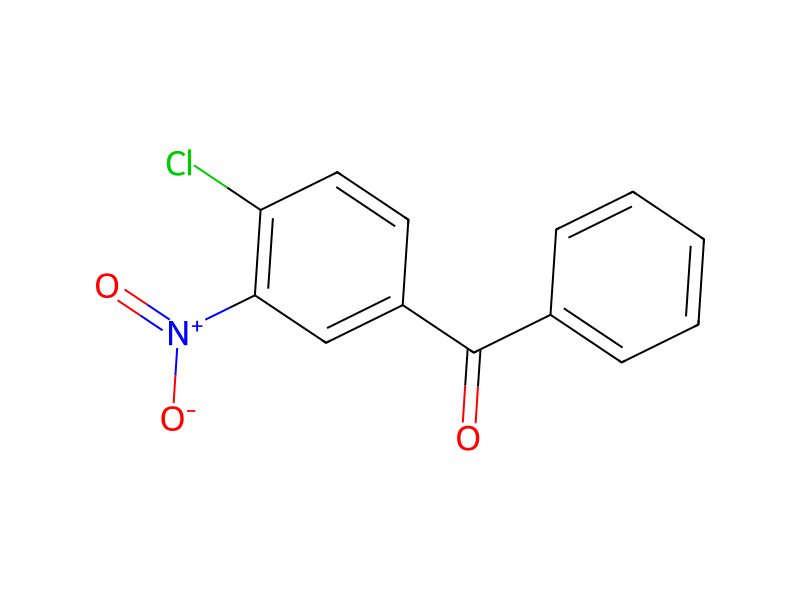
Cl[C:2]1[CH:15]=[CH:14][C:5]([C:6]([C:8]2[CH:13]=[CH:12][CH:11]=[CH:10][CH:9]=2)=[O:7])=[CH:4][C:3]=1[N+:16]([O-:18])=[O:17].[C:19]([N:26]1[CH2:31][CH2:30][NH:29][CH2:28][CH2:27]1)([O:21][C:22]([CH3:25])([CH3:24])[CH3:23])=[O:20]>CN1C(=O)CCC1>[C:6]([C:5]1[CH:14]=[CH:15][C:2]([N:29]2[CH2:28][CH2:27][N:26]([C:19]([O:21][C:22]([CH3:25])([CH3:24])[CH3:23])=[O:20])[CH2:31][CH2:30]2)=[C:3]([N+:16]([O-:18])=[O:17])[CH:4]=1)(=[O:7])[C:8]1[CH:13]=[CH:12][CH:11]=[CH:10][CH:9]=1Participants
4



Procedure
Method 1 was followed using 4-chloro-3-nitrobenzophenone (1.0 eq), 1-Boc-piperazine (1.1 eq), and TEA (2.0 eq) in NMP yielding tert-butyl 4-(4-benzoyl-2-nitrophenyl)piperazine-1-carboxylate (93%). LCMS (m/z): 412.2 (MH+); LC Rt=3.59 min.
Sources & evidence
- ORD record
- ord-6248ee4f40be43a3b83ec9a4dcedc2ad
- Source dataset
- uspto-grants-2014_09
- Patent number
- US08822497B2
Linked notes
Loading…