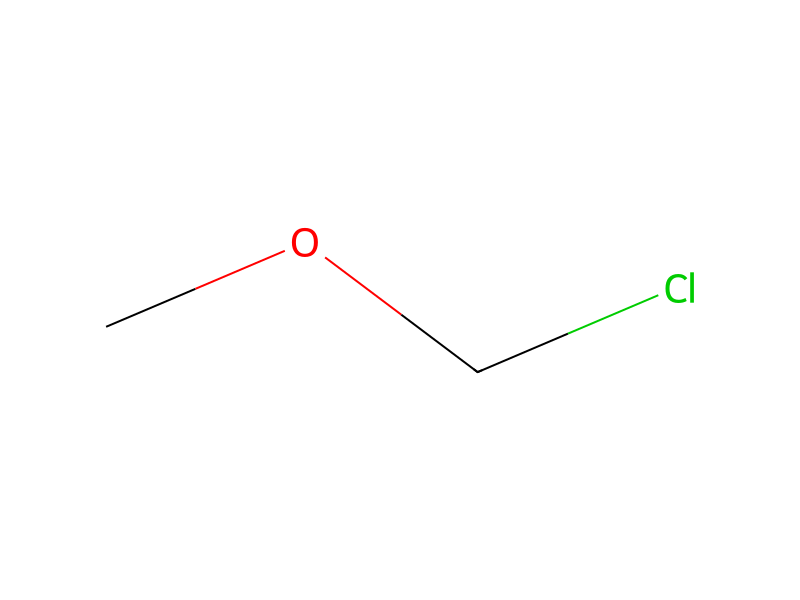
To a suspension of 5-bromopyridine-2,3-diol (5.00 g, 26.3 mmol) in DMF (100 ml) at 0° C. was added sodium hydride (1.11 g, 26.3 mmol) portion-wise. The resulting mixture was allowed to stir for 30 minutes and then methoxymethyl chloride (2.00 ml, 26.3 mmol) was added. Upon warming to room temperature and stirring for 2 hours the reaction mixture was cooled to 0° C. and a further quantity of sodium hydride (1.11 g, 26.3 mmol) was added, followed after 20 minutes by the addition of more methoxymethyl chloride (2.00 ml, 26.3 mmol). The reaction mixture was then allowed to stir at room temperature for 48 hours and then poured slowly into saturated aqueous sodium carbonate solution. The resulting mixture was extracted with ethyl acetate and the organics were evaporated and purified by column chromatography (SiO2; 0-50% ethyl acetate in petrol) to yield 5-bromo-3-(methoxymethoxy)-1-(methoxymethyl)pyridin-2(1H)-one (3.8 g, 52%).