Potassium Acetate → 5-Methyl-1-oxo-1,2-dihydro-isoquinoline-3-boronic acid
Reaction equation

Cl[C:2]1[NH:3][C:4](=[O:13])[C:5]2[C:10]([CH:11]=1)=[C:9]([CH3:12])[CH:8]=[CH:7][CH:6]=2.[B:14]1(B2OC(C)(C)C(C)(C)O2)[O:18]C(C)(C)C(C)(C)[O:15]1.CC([O-])=O.[K+]>O1CCOCC1.C1C=CC(P(C2C=CC=CC=2)[C-]2C=CC=C2)=CC=1.C1C=CC(P(C2C=CC=CC=2)[C-]2C=CC=C2)=CC=1.Cl[Pd]Cl.[Fe+2]>[CH3:12][C:9]1[CH:8]=[CH:7][CH:6]=[C:5]2[C:10]=1[CH:11]=[C:2]([B:14]([OH:18])[OH:15])[NH:3][C:4]2=[O:13]Participants
6
Reactant 3

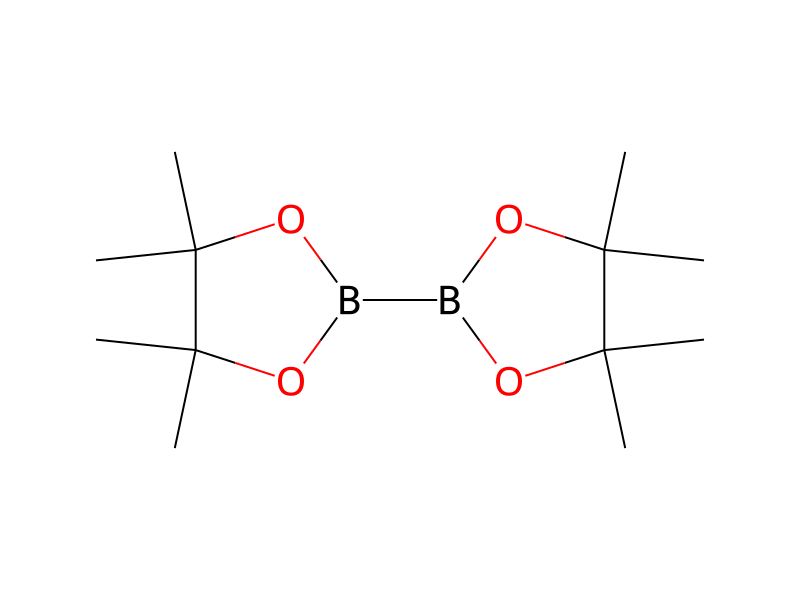

Product 1

Reagents, catalysts & solvents 2

