Acetonitrile → HCID 10389158, compound
HRID 721966
Reaction equation

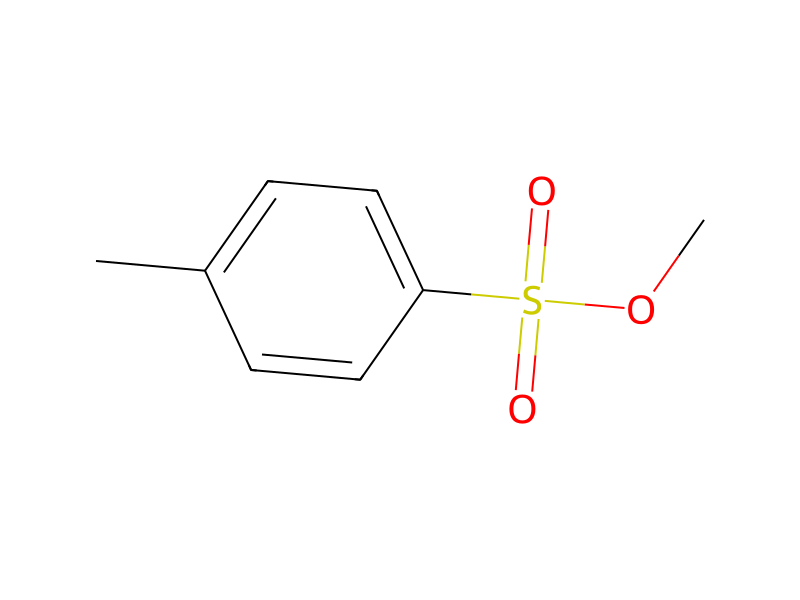
[CH2:1]1[C:28]2=C(O)[C:24](=[CH:25][CH:26]=[CH:27]2)[CH2:23][C:20]2=[C:21]([OH:22])[C:16](=[CH:17][CH:18]=[CH:19]2)[CH2:15][C:11]2=[CH:12][CH:13]=[CH:14][C:9](=[C:10]2[OH:31])[CH2:8][C:4]2=[CH:5][CH:6]=[CH:7][C:2]1=[C:3]2O.[C:33](=[O:36])([O-])[O-].[K+].[K+].S(C1C=CC(C)=CC=1)([O:42][CH3:43])(=O)=O.[CH3:51]C#N>>[CH3:43][O:42][C:3]1[C:4]2=[CH:5][CH:6]=[CH:7][C:2]=1[CH2:1][C:28]1[CH:27]=[CH:26][CH:25]=[C:24]([CH2:23][C:20]3[CH:19]=[CH:18][CH:17]=[C:16]([CH2:15][C:11]4[C:10]([OH:31])=[C:9]([CH2:8]2)[CH:14]=[CH:13][CH:12]=4)[C:21]=3[O:22][CH3:51])[C:33]=1[OH:36]Participants
5




Procedure
A suspension of calix[4]arene (17.0 g, 40 mmole), anhydrous potassium carbonate (6.08 g, 44 mmole), and methyl tosylate (14.9 g, 80 mmole) were refluxed in CH3CN (500 mL) overnight. After evaporation of the solvent, the mixture was taken up in CH2Cl2 and washed with 1 N HCl and brine. The organic layer was dried with MgSO4 and the solvent was removed in vacuo to afford the product. It was recrystallized from CH3Cl/MeOH to yield white crystals (18.1 g, 98%). mp>300° C. dec. 1H NMR (500 MHz, CDCl3) δ: 7.76 (s, 2H), 7.08 (d, 4H, J=7.5 Hz), 6.88 (d, 4H, J=7.5 Hz), 6.73 (t, 2H, J=7.5 Hz), 6.68 (t, 2H, J=7.5 Hz), 4.31 (d, 4H, J=13.0 Hz), 3.99 (s, 6H), 3.41 (d, 4H, J=13.0 Hz). 13C NMR (125 MHz, CDCl3) δ: 153.2, 153.1, 132.9, 129.0, 128.5, 128.1, 125.3, 119.1, 63.7, 31.1.