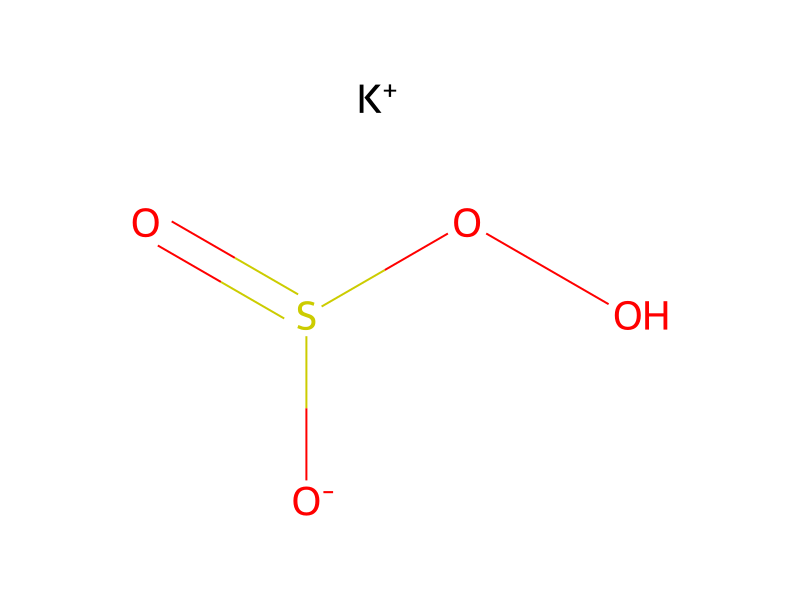
[F:1][C:2]1[CH:3]=[N:4][C:5]([O:18][C:19]2[CH:24]=[CH:23][CH:22]=[C:21](SC)[CH:20]=2)=[C:6]([CH:17]=1)[C:7]([NH:9][C@H:10]1[CH2:15][CH2:14][C@H:13]([OH:16])[CH2:12][CH2:11]1)=[O:8].O[O:28][S:29]([O-:31])=O.[K+].[CH:33](O)(C)C>O1CCCC1.O>[NH3:4].[F:1][C:2]1[CH:3]=[N:4][C:5]([O:18][C:19]2[CH:20]=[CH:21][CH:22]=[C:23]([S:29]([CH3:33])(=[O:31])=[O:28])[CH:24]=2)=[C:6]([CH:17]=1)[C:7]([NH:9][C@H:10]1[CH2:15][CH2:14][C@H:13]([OH:16])[CH2:12][CH2:11]1)=[O:8]A solution of 5-fluoro-N-(trans-4-hydroxy-cyclohexyl)-2-(3-methylsulfanyl-phenoxy)-nicotinamide (70 mg, 0.18 mmol) in tetrahydrofuran (1 ml) was added to a solution of oxone™ (229 mg, 0.37 mmol) in water (1 ml) and isopropylalcohol (4 ml) under nitrogen at room temperature and the reaction was stirred for 3 h. The reaction mixture was passed through a chemelute cartridge, washing with tetrahydrofuran, and the eluent was concentrated under reduced pressure. The residue was purified by flash column chromatography on silica gel eluting with dichloromethane:methanol:concentrated aqueous ammonia (98:2:0.2 changing to 96:4:0.4, by volume) to give 5-fluoro-N-(trans-4-hydroxy-cyclohexyl)-2-(3-methylsulfonyl-phenoxy)-nicotinamide (50 mg) as a yellow solid.