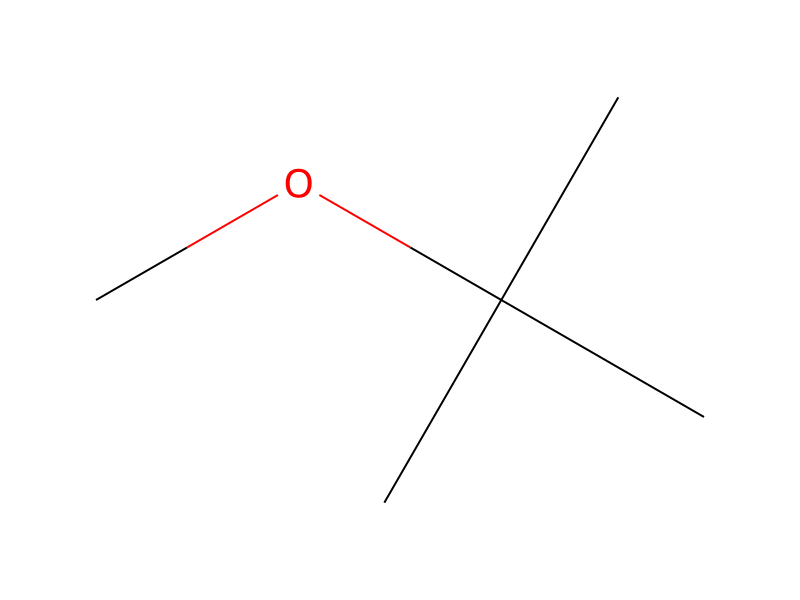
1H-Pyrrole-2-carboxylic acid allyl ester (Example 1a, 11.73 g, 78.12 mmol) was dissolved in methyl tert-butyl ether (150 mL) and a solution of sodium hydroxide (37 g, 925 mmol) in water (150 mL) was added. Solid ammonium chloride (25.1 g, 469 mmol), trioctylmethylammonium chloride (“Aliquat® 336”, 1 mL) and 28% aqueous ammonium hydroxide solution (50 mL) were added to the biphasic mixture. Under vigorous stirring, a 6.15% aqueous bleach solution (“Chlorox”, 250 mL) was slowly added over a period of 45 min via addition funnel upon which the color of the solution turned orange. After stirring for 1.5 h at 25° C., mixture was poured into methyl tert-butyl ether (150 mL) and the layers were separated. The organic layer was washed with a solution of sodium thiosulfate (10 g) in water (200 mL) and the organic layer was dried over sodium sulfate and filtered. The solvent was removed in vacuo to afford the desired product, 1-amino-1H-pyrrole-2-carboxylic acid allyl ester (8.03 g, 48.32 mmol, 62% yield) as a brown oil.