Reaction equation

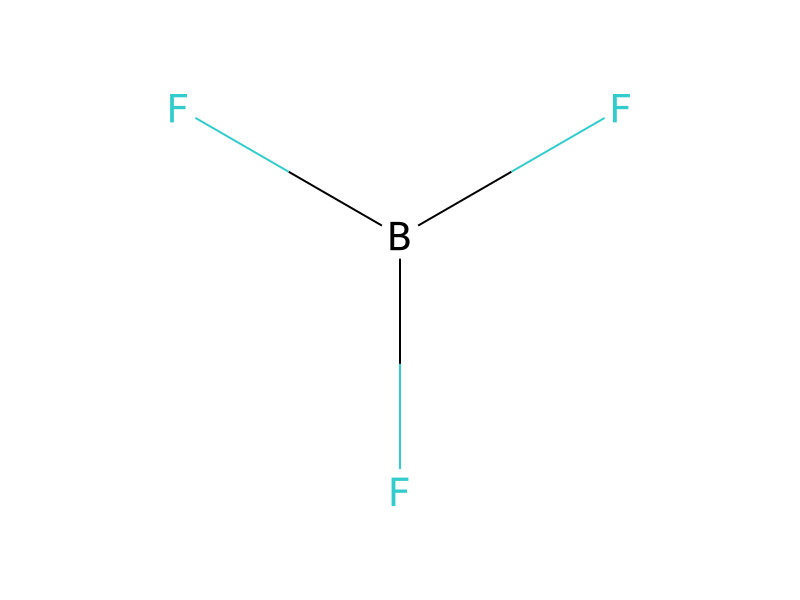
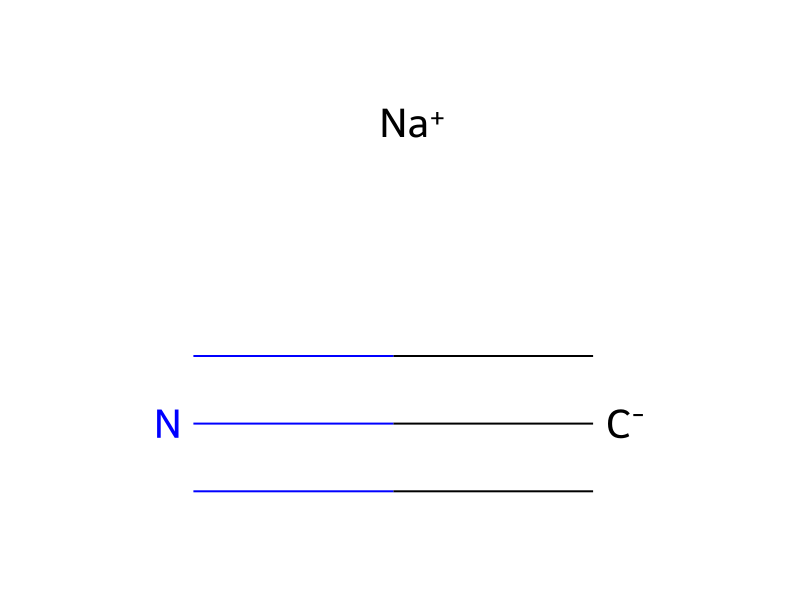
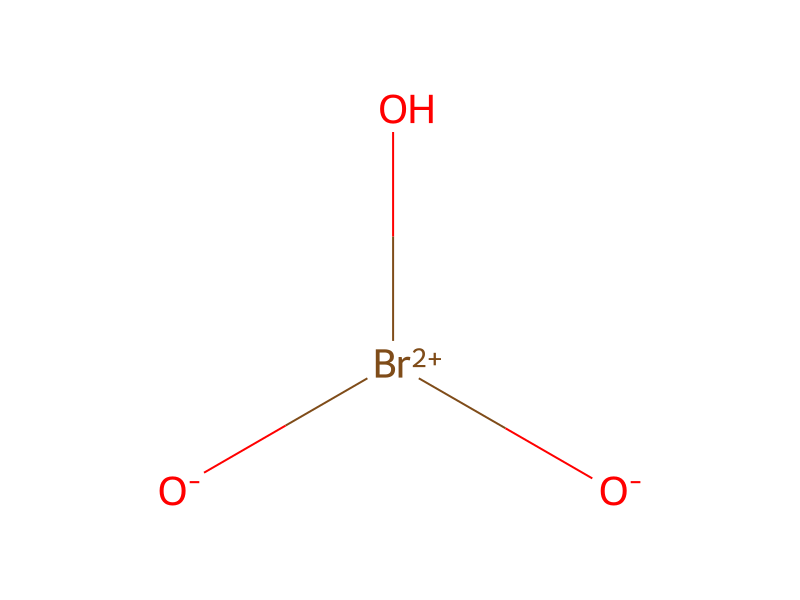
[CH:1]([C:4]1[S:8][C:7]([CH3:9])=[N:6][C:5]=1[C:10]1[CH:15]=[CH:14][C:13]([O:16]C)=[CH:12][CH:11]=1)([CH3:3])[CH3:2].Br(O)(=O)=O.[C-]#N.[Na+].B(F)(F)F>[I-].C([N+](CCCC)(CCCC)CCCC)CCC.C(OCC)C.CS(C)=O.C(O)(=O)C>[CH:1]([C:4]1[S:8][C:7]([CH3:9])=[N:6][C:5]=1[C:10]1[CH:11]=[CH:12][C:13]([OH:16])=[CH:14][CH:15]=1)([CH3:3])[CH3:2]Participants
9
Reactant 4

Product 1

Reagents, catalysts & solvents 4




Procedure
In the fourth step, the compound (5) prepared in the third step is reacted with bromic acid and acetic acid, sodium cyanide and dimethylsulfoxide, or tetrabutylammonium iodide and boron trifluoride.diethylether, to afford 4-(5-isopropyl-2-methyl-1,3-thiazol-4-yl)-phenol (6). Conventionally, ethanethiol is used, whereby offensive odors occur and reagent handling is difficult to the extent of being unsuitable for use in mass production. However, in the present invention, the use of the compound (5) and the above materials reacting therewith, in particular, bromic acid and acetic acid result in decreased offensive odors, low price, simple reagent handling and a drastically increased preparation yield (yield: 84%).
Sources & evidence
- ORD record
- ord-125362ffe0174e0bb4b5bb8def022a0f
- Source dataset
- uspto-grants-2009_09
- Patent number
- US07585979B2
Linked notes
Loading…