HomeMCPSkillsWorkbenchOpenChem
HomeWorkbenchNotificationsMe
llms.txt · skill.md · MCP GuidePrivacy Policy · Terms of Service · Supportv1.8.4
  1. Home
  2. /Reaction

Lithium Hydroxide → 2-(5-{3-[5-(4,5,6,7-Tetrahydro-benzothiazol-2-yl)-pyridin-2-yloxy]-propoxy}-indol-1-yl)-propionic acid

HRID 734438
Print

Reaction equation

[S:1]1[C:5]2[CH2:6][CH2:7][CH2:8][CH2:9][C:4]=2[N:3]=[C:2]1[C:10]1[CH:11]=[CH:12][C:13]([O:16][CH2:17][CH2:18][CH2:19][OH:20])=[N:14][CH:15]=1.C[O:22][C:23](=[O:36])[CH:24]([N:26]1[C:34]2[C:29](=[CH:30][C:31](O)=[CH:32][CH:33]=2)[CH:28]=[CH:27]1)[CH3:25].C1(P(C2C=CC=CC=2)C2C=CC=CC=2)C=CC=CC=1.N(C(N1CCCCC1)=O)=NC(N1CCCCC1)=O.[Li+].[OH-]>C(Cl)Cl>[S:1]1[C:5]2[CH2:6][CH2:7][CH2:8][CH2:9][C:4]=2[N:3]=[C:2]1[C:10]1[CH:11]=[CH:12][C:13]([O:16][CH2:17][CH2:18][CH2:19][O:20][C:31]2[CH:30]=[C:29]3[C:34](=[CH:33][CH:32]=2)[N:26]([CH:24]([CH3:25])[C:23]([OH:36])=[O:22])[CH:27]=[CH:28]3)=[N:14][CH:15]=1

ParticipantsProcedureWorkupSources & evidenceReaction notes

Participants

7

Reactant 5

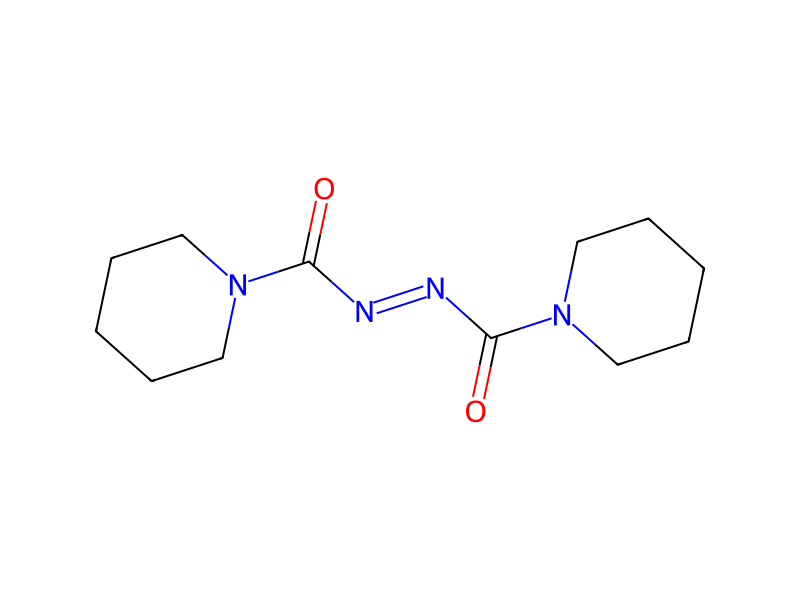
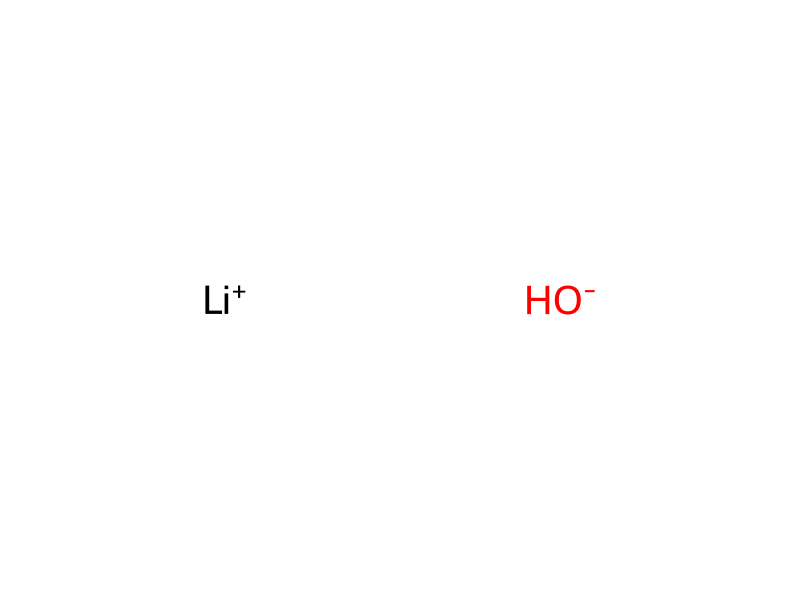
HCID 3939Lithium HydroxideHCID 11776TriphenylphosphineHCID 730421,1'-(Azodicarbonyl)dipiperidineHCID 578453663-[5-(4,5,6,7-Tetrahydro-benzothiazol-2-yl)-pyridin-2-yloxy]-propan-1-olHCID 57845447methyl 2-(5-hydroxy-1H-indol-1-yl)propanoate

Product 1

HCID 57845364
2-(5-{3-[5-(4,5,6,7-Tetrahydro-benzothiazol-2-yl)-pyridin-2-yloxy]-propoxy}-indol-1-yl)-propionic acid
Yield 4.7%

Reagents, catalysts & solvents 1

HCID 6344DichloromethaneSolvent

Procedure

To a solution of 3-[5-(4,5,6,7-tetrahydro-benzothiazol-2-yl)-pyridin-2-yloxy]-propan-1-ol (Example 78, 0.098 g, 0.34 mmol) and 2-(5-hydroxy-indol-1-yl)-propionic acid methyl ester (Example 7, 0.067 g, 0.31 mmol) in CH2Cl2 (10 mL) were added triphenylphosphine (0.161 g, 0.61 mmol) and 1,1′-(azodicarbonyl)-dipiperidine (0.155 g, 0.61 mmol). The yellow reaction mixture was stirred at rt for 18 h, then diluted with 20 mL hexanes, and filtered through a short pad of silica gel. The filtrate was concentrated under reduced pressure, and the residue (0.065 g) dissolved in 5 mL of a mixture of methanol/THF/water (2:2:1). LiOH (9.1 mg, 0.37 mmol) was added. The mixture was stirred at rt for 18 h and concentrated under reduced pressure. The residue was taken up in water and washed with ether. The aqueous layer was acidified to pH 3.5 and extracted with ethyl acetate. The combined organic layers were dried over Na2SO4, filtered, and concentrated to give the title compound (7 mg, 4%). 1H NMR (400 MHz, acetone-d6) δ 8.20 (dd, 1H), 7.90 (dd, 1H), 7.35 (s, 1H), 7.29 (dd, 1H), 7.11 (s, 1H), 6.85 (dd, 1H), 6.50 (dd, 1H), 6.39 (s, 1H), 5.25-5.35 (m, 1H), 4.31 (t, 2H), 4.31 (t, 2H), 4.08 (t, 2H), 2.95-3.05 (br s, 1H), 2.70-2.78 (m, 4H), 2.30-2.35 (m, 2H), 1.70-1.94 (m, 4H). LC/MS m/z 478.2 (M+H)+, RT 2.90 min.

Workup

  1. filtrationfiltered through a short pad of silica gel
  2. concentrationThe filtrate was concentrated under reduced pressure
  3. dissolutionthe residue (0.065 g) dissolved in 5 mL of a mixture of methanol/THF/water (2:2:1)
  4. stirringThe mixture was stirred at rt for 18 h
  5. concentrationconcentrated under reduced pressure
  6. washwashed with ether
  7. extractionextracted with ethyl acetate
  8. dry with materialThe combined organic layers were dried over Na2SO4
  9. filtrationfiltered
  10. concentrationconcentrated

Sources & evidence

ORD record
ord-da703bee53124743bb174024b522ccf8
Source dataset
uspto-grants-2009_09
DOI
10.6084/m9.figshare.5104873.v1
Patent number
US07592361B2

Reaction notes

On this pageParticipantsProcedureWorkupSources & evidenceReaction notes