Reaction equation
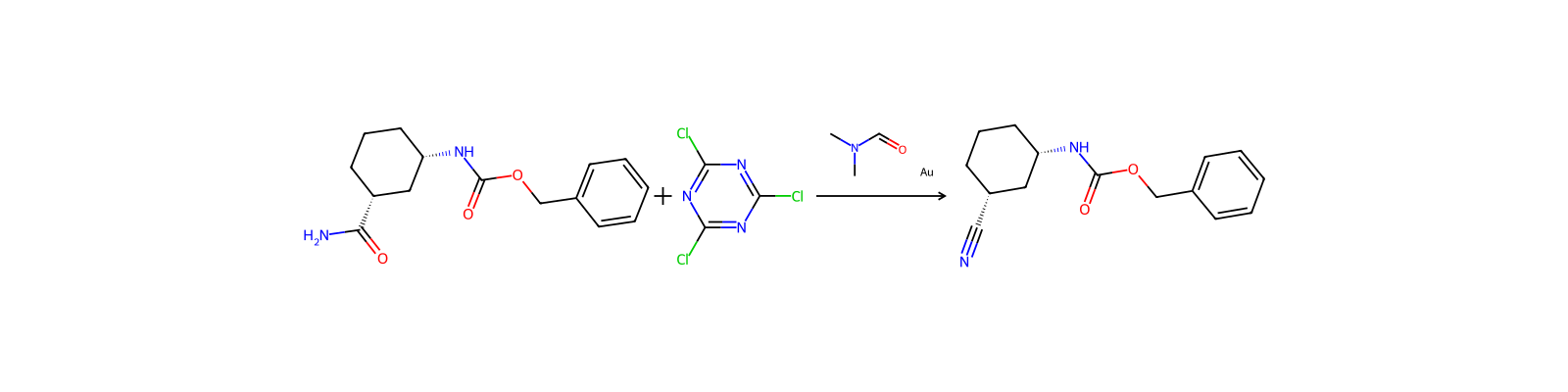
[C:1]([C@@H:4]1[CH2:9][CH2:8][CH2:7][C@H:6]([NH:10][C:11](=[O:20])[O:12][CH2:13][C:14]2[CH:19]=[CH:18][CH:17]=[CH:16][CH:15]=2)[CH2:5]1)(=O)[NH2:2].ClC1N=C(Cl)N=C(Cl)N=1>CN(C=O)C.[Au]>[C:1]([C@@H:4]1[CH2:9][CH2:8][CH2:7][C@H:6]([NH:10][C:11](=[O:20])[O:12][CH2:13][C:14]2[CH:15]=[CH:16][CH:17]=[CH:18][CH:19]=2)[CH2:5]1)#[N:2]Participants
5
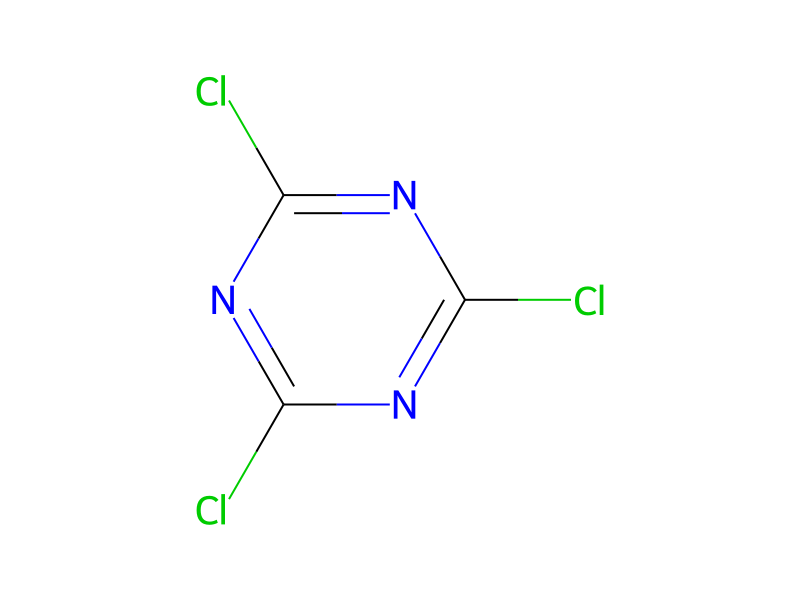
Reactant 2
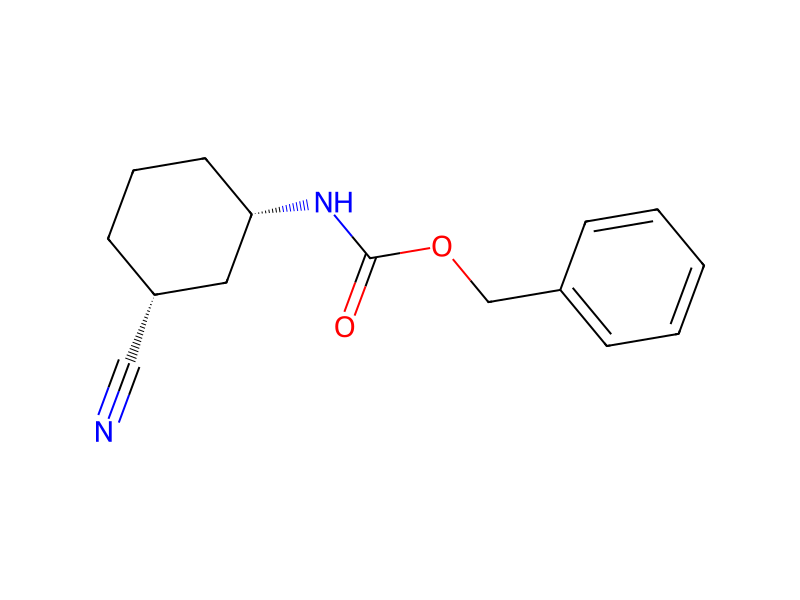
Product 1
Reagents, catalysts & solvents 2

Procedure
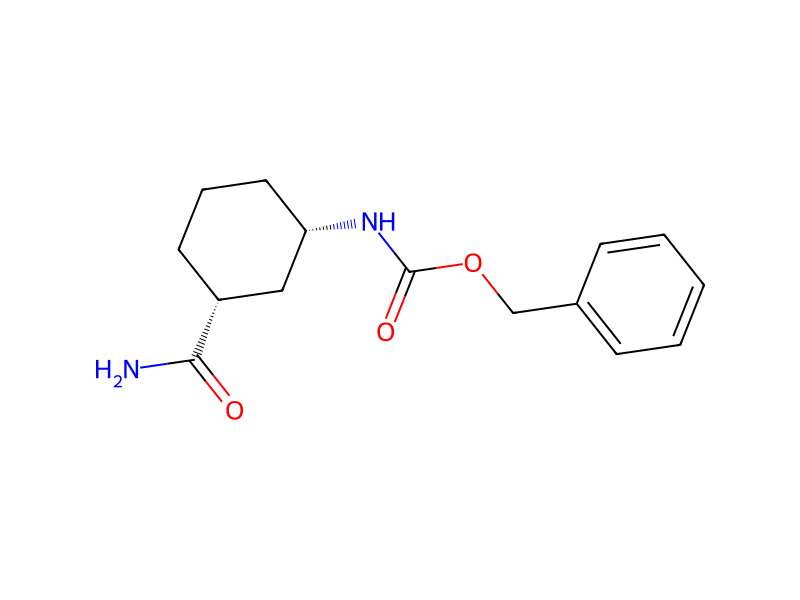
A suspension of benzyl N-[(1S,3R)-3-carbamoylcyclohexyl]carbamate, 18d, (0.69 g, 2.50 mmol) in DMF (10 mL) at 0° C. was treated with 2,4,6-trichloro-1,3,5-triazine (0.61 g, 3.29 mmol) and allowed to stir while slowly warming to room temperature. After 20 minutes, the solution became gold in color. After 1 hour a precipitate had formed. Stirred for an additional 3 hours then quenched with ice water (100 mL) and extracted with CH2Cl2 (2×125 mL) then washed with 1N HCl (100 mL). The organic layer was concentrated in vacuo to afford an 730 mg of a residue that was purified using a pad of silica gel (45 mL) using 30% EtOAc/hexanes as eluent to afford 621 mg of a white solid after vacuum drying.
Workup
- customAfter 1 hour a precipitate had formed
- stirringStirred for an additional 3 hours
- customthen quenched with ice water (100 mL)
- extractionextracted with CH2Cl2 (2×125 mL)
- washthen washed with 1N HCl (100 mL)
- concentrationThe organic layer was concentrated in vacuo
Sources & evidence
- ORD record
- ord-7df5f10e158b453f9a8878bd1a479995
- Source dataset
- uspto-grants-2014_09
- Patent number
- US08829007B2
Linked notes
Loading…