Reaction equation

[NH2:1][C:2]1[N:7]=[C:6]([Cl:8])[CH:5]=[C:4]([NH2:9])[N:3]=1.[CH3:10][O:11][C:12](=[O:16])[CH2:13][N+:14]#[C-:15].[CH:17](=O)[C:18]1[O:22][CH:21]=[CH:20][CH:19]=1.[C:24](Cl)(=[O:26])[CH3:25]>Cl(O)(=O)(=O)=O>[Cl-:8].[C:24]([N+:1]1[C:17]([C:18]2[O:22][CH:21]=[CH:20][CH:19]=2)=[C:15]([NH:14][CH2:13][C:12]([O:11][CH3:10])=[O:16])[N:3]2[C:4]([NH2:9])=[CH:5][C:6]([Cl:8])=[N:7][C:2]=12)(=[O:26])[CH3:25]Participants
6
Reactant 4


Product 1

Reagents, catalysts & solvents 1
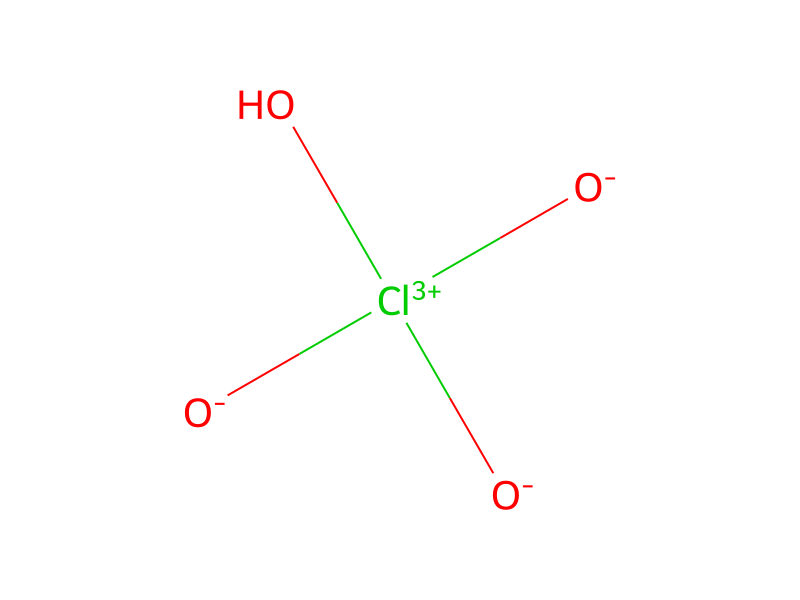
Procedure
Example 27 was carried out in accordance with the general directions for synthesis in process step a) from 1.0 ml (0.1 mmol) 2,6-diamino-4-chloro-pyrimidine (0.1 M, DCM), 0.575 ml (0.115 mmol) isocyanoacetic acid methyl ester solution (0.2 M, DCM), 0.500 ml (0.15 mmol) furfural solution (0.3 M, DCM) and 10 μl perchloric acid (w=20%) and in process step c) and d) by reacting the resultant reaction product with 0.4 mmol acetylchloride.
Sources & evidence
- ORD record
- ord-e09d80b009c94883976bbcd98164aff7
- Source dataset
- uspto-grants-2006_08
- Patent number
- US07087607B2
Linked notes
Loading…