Reaction equation

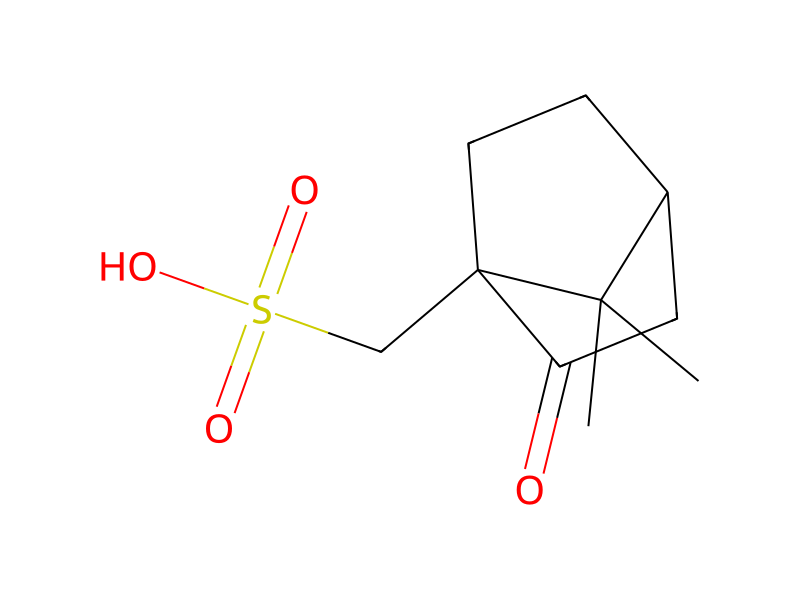
[Br:1][C:2]1[CH:9]=[CH:8][C:5]([CH:6]=[O:7])=[C:4]([F:10])[CH:3]=1.[CH2:11](O)[CH2:12][OH:13].C(=O)([O-])O.[Na+]>C12(CS(O)(=O)=O)C(C)(C)C(CC1)CC2=O.C1(C)C=CC=CC=1>[Br:1][C:2]1[CH:9]=[CH:8][C:5]([CH:6]2[O:13][CH2:12][CH2:11][O:7]2)=[C:4]([F:10])[CH:3]=1Participants
6
Reactant 3



Product 1

Reagents, catalysts & solvents 2

Procedure
A mixture of 4-bromo-2-fluorobenzaldehyde (10 g, 49.3 mmol), ethylene glycol (27.5 mL, 493 mmol), camphorsulfonic acid (115 mg, 0.493 mmol), and toluene (250 mL) was stirred for 5 hours under reflux. The mixture was cooled to room temperature and a saturated sodium hydrogencarbonate aqueous solution was added thereto. The organic layer was separated, washed with saturated aqueous sodium chloride, dried over anhydrous magnesium sulfate, and filtered. The filtrate was concentrated under a reduced pressure to obtain the title compound (12.5 g). The title compound was used in the following reaction without any further purification.
Workup
- temperatureunder reflux
- customThe organic layer was separated
- washwashed with saturated aqueous sodium chloride
- dry with materialdried over anhydrous magnesium sulfate
- filtrationfiltered
- concentrationThe filtrate was concentrated under a reduced pressure
Sources & evidence
- ORD record
- ord-af5d92c52a2140d79ab52bb625bdc812
- Source dataset
- uspto-grants-2014_09
- Patent number
- US08841327B2
Linked notes
Loading…