HomeMCPWorkbenchSkills
HomeWorkbenchNotificationsMe
llms.txt · MCP GuidePrivacy Policy · Terms of Service · Supportv1.8.0
  1. Home
  2. /Reaction

Water → Ethyl 2-fluoro-3-(4-propylcyclohexyl)propanoate

HRID 80342
Notes
Print preview

Reaction equation

HRID 80342 reaction equation
[F:1][CH:2]([CH:8](OC(SC)=S)[CH:9]1[CH2:14][CH2:13][CH:12]([CH2:15][CH2:16][CH3:17])[CH2:11][CH2:10]1)[C:3]([O:5][CH2:6][CH3:7])=[O:4].C(OOC(C)(C)C)(C)(C)C.O1CCOCC1.O>C(OC(=O)C)C>[F:1][CH:2]([CH2:8][CH:9]1[CH2:14][CH2:13][CH:12]([CH2:15][CH2:16][CH3:17])[CH2:11][CH2:10]1)[C:3]([O:5][CH2:6][CH3:7])=[O:4]
ParticipantsProcedureWorkupSources & evidenceReaction notes

Participants

6

Reactant 4

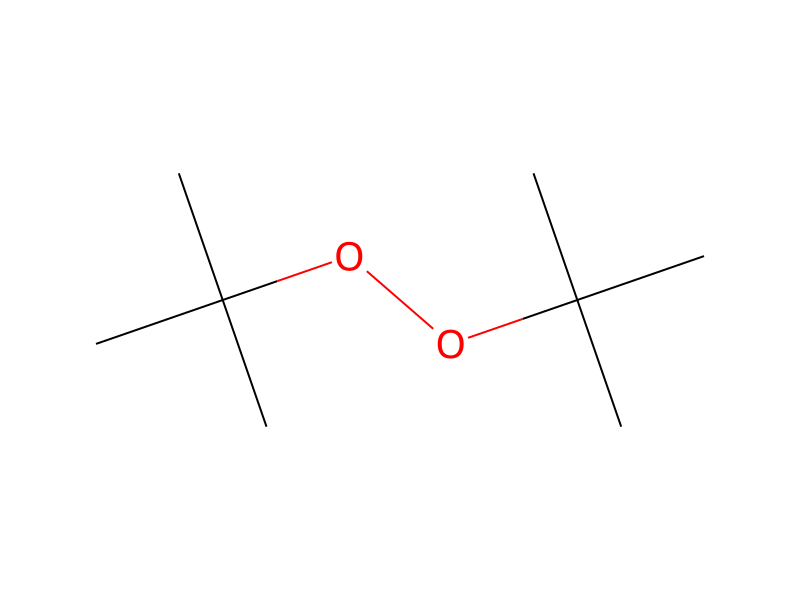
HCID 962WaterHCID 8033Di-tert-butyl peroxideHCID 312751,4-DioxaneHCID 86684973Ethyl 2-fluoro-3-(((methylthio)carbonothioyl)oxy)-3-(4-propylcyclohexyl)propanoate

Product 1

HCID 86684974Ethyl 2-fluoro-3-(4-propylcyclohexyl)propanoateYield 75.1%

Reagents, catalysts & solvents 1

HCID 8857
Ethyl Acetate
Solvent

Procedure

To a reaction vessel under a nitrogen atmosphere, 2.1 g of ethyl 2-fluoro-3-(((methylthio)carbonothioyl)oxy)-3-(4-propylcyclohexyl)propanoate (e-10), 0.5 ml of di-tert-butylperoxide, 1.2 g of DPPO and 40 ml of dioxane were added, and the resultant mixture was subjected to heating reflux for 48 hours. After cooling the resultant reaction mixture to 25° C., 100 ml of water and 100 ml of ethyl-acetate were added to separate the mixture into an organic layer and an aqueous layer, and an extraction operation was performed. The resultant organic layer was isolated, and washed with water, and then the resultant solution was dried over anhydrous magnesium sulfate. The resultant solution was concentrated under reduced pressure, the resultant residue was purified by a preparative isolation operation by means of column chromatography using a mixed solvent of heptane and ethyl acetate (heptane:ethyl acetate=9:1 in a volume ratio) as an eluent and silica gel as a filler, the resultant product was dried, and thus 1.1 g of ethyl 2-fluoro-3-(4-propylcyclohexyl)propanoate (e-11) was obtained. A yield based on compound (e-10) was 74.5%.


Workup

  1. temperatureto heating
  2. temperaturereflux for 48 hours
  3. temperatureAfter cooling the resultant
  4. customreaction mixture to 25° C.
  5. customto separate the mixture into an organic layer
  6. customThe resultant organic layer was isolated
  7. washwashed with water
  8. dry with materialthe resultant solution was dried over anhydrous magnesium sulfate
  9. concentrationThe resultant solution was concentrated under reduced pressure
  10. customthe resultant residue was purified by a preparative isolation operation by means of column chromatography
  11. dry with materialethyl acetate=9:1 in a volume ratio) as an eluent and silica gel as a filler, the resultant product was dried

Sources & evidence

ORD record
ord-e5319167b1904af7a16fdb76beee8380
Source dataset
uspto-grants-2014_09
DOI
10.6084/m9.figshare.5104873.v1
Patent number
US08846164B2

Reaction notes

Loading…

On this pageParticipantsProcedureWorkupSources & evidenceReaction notes