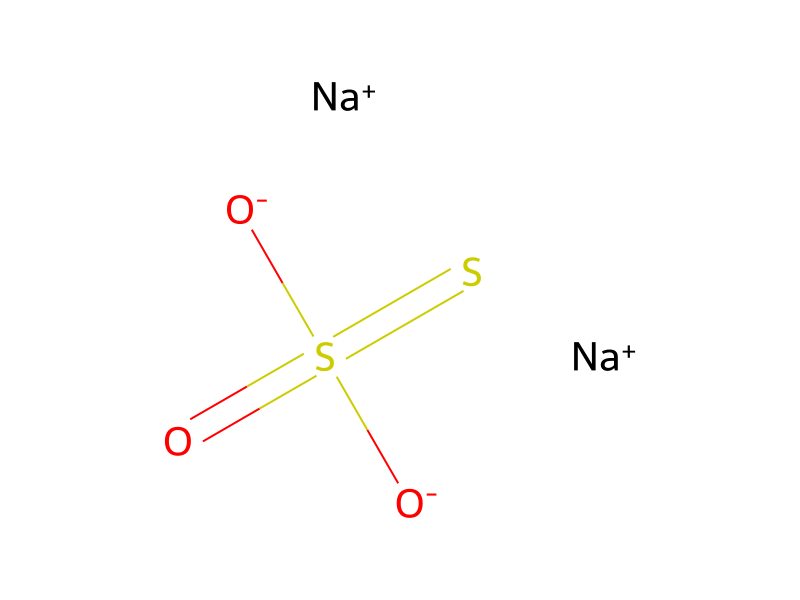
m-CPBA (8.30 g, 37.0 mmol) was added in three portions to a solution of (R)-4-chloro-5-methyl-6,7-dihydro-5H-cyclopenta[d]pyrimidine (2.5 g, 14.8 mmol) in CHCl3 (60 mL). The mixture was stirred at room temperature for 2 days. The mixture was cooled to 0° C., and Na2S2O3 (10 g) in water (60 mL) was added dropwise. Na2CO3 (6 g) in water (20 mL) was then added. The reaction mixture was stirred for 20 minutes. The aqueous phase was extracted with CHCl3 (2×200 mL), and the combined organic phases were concentrated at low temperature (<25° C.). The residue was purified by silica gel chromatography, eluting with ethyl acetate-DCM/MeOH (20:1) to give (R)-4-chloro-5-methyl-6,7-dihydro-5H-cyclopenta[d]pyrimidine-oxide (1.45 g, 53%). 1H NMR (CDCl3, 400 MHz) δ 8.66 (s, 1H), 3.50 (m, 1H), 3.20 (m, 2H), 2.44 (m, 1H), 1.90 (m, 1H), 1.37 (d, J=7.2 Hz, 3H).