Reaction equation

[CH3:1][CH:2]1[CH2:7][CH2:6][CH2:5][CH:4]([CH3:8])[CH:3]1[OH:9].[OH:10][C:11]1[CH:16]=[CH:15][C:14]([CH2:17][C:18](O)=[O:19])=[CH:13][CH:12]=1.C1(C)C=CC(S(O)(=O)=O)=CC=1.C1C=CC=CC=1>O>[OH:10][C:11]1[CH:16]=[CH:15][C:14]([CH2:17][C:18]([O:9][CH:3]2[CH:4]([CH3:8])[CH2:5][CH2:6][CH2:7][CH:2]2[CH3:1])=[O:19])=[CH:13][CH:12]=1Participants
6
Reactant 4
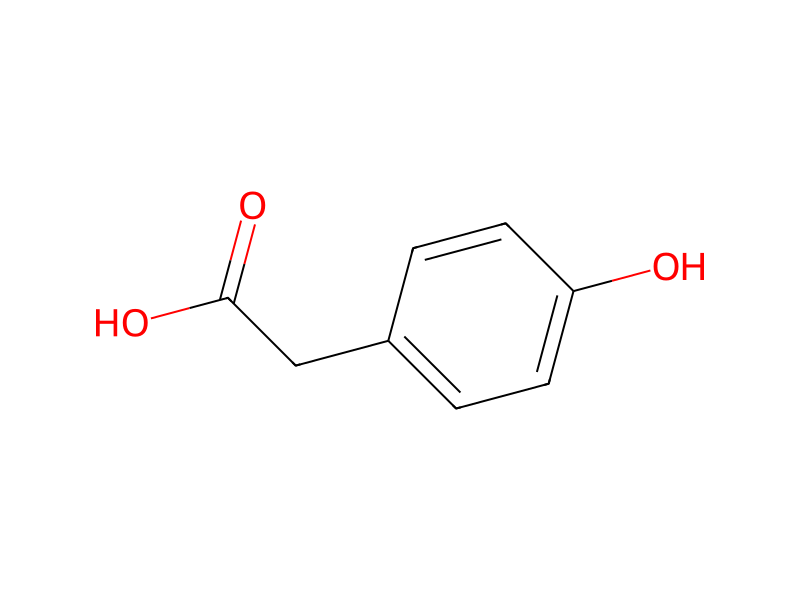



Product 1

Reagents, catalysts & solvents 1

Procedure
A mixture of 2,6-dimethylcyclohexyl alcohol (11.4 g), 4-hydroxyphenylacetic acid (9.12 g), p-toluenesulfonic acid (1 g) and benzene (300 mL) was refluxed with continuous water separation for 20 hours. The mixture was filtered and the filtrate was washed with a 10% Na2CO3 solution, then with water. Drying over MgSO4 and evaporation in vacuo afforded 8.02 g of 2,6-dimethylcyclohexyl 4-hydroxyphenylacetate. That product has the structural formula: ##STR25##
Workup
- filtrationThe mixture was filtered
- washthe filtrate was washed with a 10% Na2CO3 solution
- dry with materialDrying over MgSO4 and evaporation in vacuo
Sources & evidence
- ORD record
- ord-86f9c92bf1374738bd76e2681b2a2976
- Source dataset
- uspto-grants-1992_08
- Patent number
- US05135926
Linked notes
Loading…