HomeMCPWorkbenchSkills
HomeWorkbenchNotificationsMe
llms.txt · MCP GuidePrivacy Policy · Terms of Service · Supportv1.8.3
  1. Home
  2. /Reaction

Hydrochloric Acid → HCID 14498935, compound

HRID 846614
Print

Reaction equation

HRID 846614 reaction equation
[SH2:1].[C:2]([CH2:4][CH2:5][C:6]([O:8][CH2:9][CH3:10])=[O:7])#[N:3].C(N(CC)CC)C.Cl>N1C=CC=CC=1>[CH2:9]([O:8][C:6]([CH2:5][CH2:4][C:2]([NH2:3])=[S:1])=[O:7])[CH3:10]
ParticipantsProcedureWorkupSources & evidenceReaction notes

Participants

6

Reactant 4

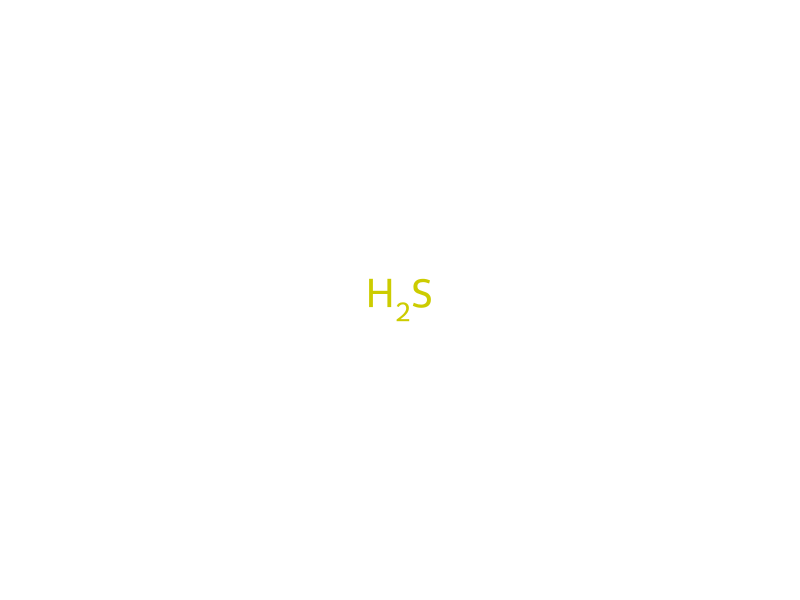
HCID 313Hydrochloric AcidHCID 402Hydrogen SulfideHCID 8471TriethylamineHCID 82393Ethyl 3-cyanopropanoate

Product 1

HCID 14498935HCID 14498935, compound

Reagents, catalysts & solvents 1

HCID 1049PyridineSolvent

Procedure

Hydrogen sulfide was introduced with stirring at room temperature into a solution of 31.8 g (0.25 mol) of ethyl 3-cyanopropionate and 34.6 ml (0.25 mol) of triethylamine in 75 ml of pyridine for 9 hours. After allowing to stand overnight, the reaction mixture is rendered acidic with 2N hydrochloric acid with cooling and extracted several times with ethyl acetate. The combined organic phase, which is dried over sodium sulfate, is carefully concentrated under reduced pressure. The oily residue remaining (35.0 g =87 % of theory) is composed of about 87 % of 3-(ethoxycarbonyl)thiopropionamide and 13 % of ethyl 3-cyanopropionate according to GC analysis.


Workup

  1. temperaturewith cooling
  2. extractionextracted several times with ethyl acetate
  3. dry with materialThe combined organic phase, which is dried over sodium sulfate
  4. concentrationis carefully concentrated under reduced pressure

Sources & evidence

ORD record
ord-71d99c431d6e4f54ba2e82b0be125b95
Source dataset
uspto-grants-1992_08
DOI
10.6084/m9.figshare.5104873.v1
Patent number
US05137897

Reaction notes

On this pageParticipantsProcedureWorkupSources & evidenceReaction notes