Reaction equation

[N+:1]([C:4]1[CH:5]=[C:6]([OH:10])[CH:7]=[CH:8][CH:9]=1)([O-:3])=[O:2].C(=O)([O-])[O-].[K+].[K+].Cl[CH2:18][C@H:19]1[CH2:23][O:22][C:21]([CH3:25])([CH3:24])[O:20]1>CN(C=O)C>[CH3:24][C:21]1([CH3:25])[O:20][C@H:19]([CH2:18][O:10][C:6]2[CH:7]=[CH:8][CH:9]=[C:4]([N+:1]([O-:3])=[O:2])[CH:5]=2)[CH2:23][O:22]1Participants
5




Conditions
- Temperature
- 160 °C
Procedure
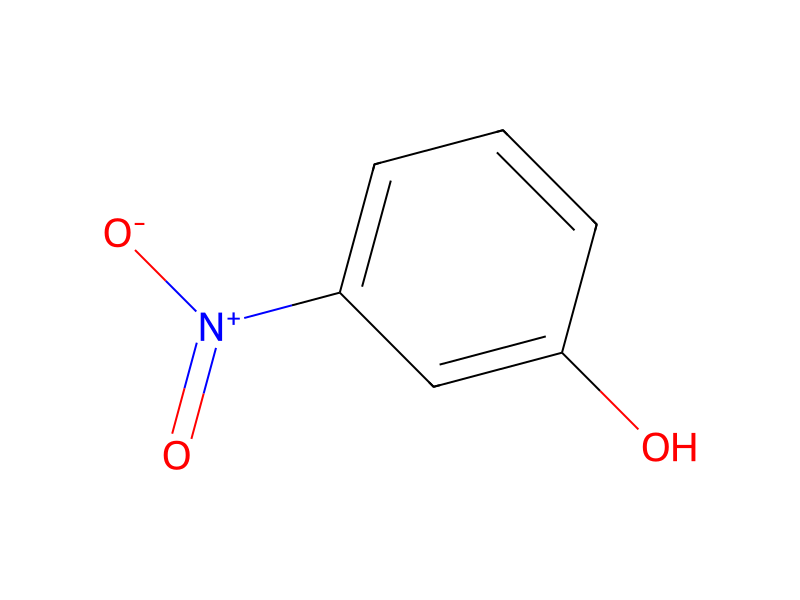
3-Nitrophenol (130; 2.0 g, 14.37 mmol) was taken up in 20 mL of anhydrous DMF along with anhydrous potassium carbonate (4.96 g, 35.93 mmol) and (R)-4-(chloromethyl)-2,2-dimethyl-1,3-dioxolane (131; 2.55 mL, 18.68 mmol). The resulting reaction mixture was heated in the microwave reactor, with stirring, at 160° C. for 4 h. The crude reaction mixture was rinsed with water, filtered and extracted with dichloromethane (3×15 mL). The combined organic layers were dried (Na2SO4) and concentrated under reduced pressure. The resulting residue was purified by chromatography using ethyl acetate:pentanes to obtain the desired product 132 as an amber-colored oil (52%).
Workup
- customThe resulting reaction mixture
- temperaturewas heated in the microwave reactor
- customThe crude reaction mixture
- washwas rinsed with water
- filtrationfiltered
- extractionextracted with dichloromethane (3×15 mL)
- dry with materialThe combined organic layers were dried (Na2SO4)
- concentrationconcentrated under reduced pressure
- customThe resulting residue was purified by chromatography
Sources & evidence
- ORD record
- ord-435cc6a4a64d4babba70fdcd6a88a699
- Source dataset
- uspto-grants-2014_09
- Patent number
- US08846947B2
Linked notes
Loading…