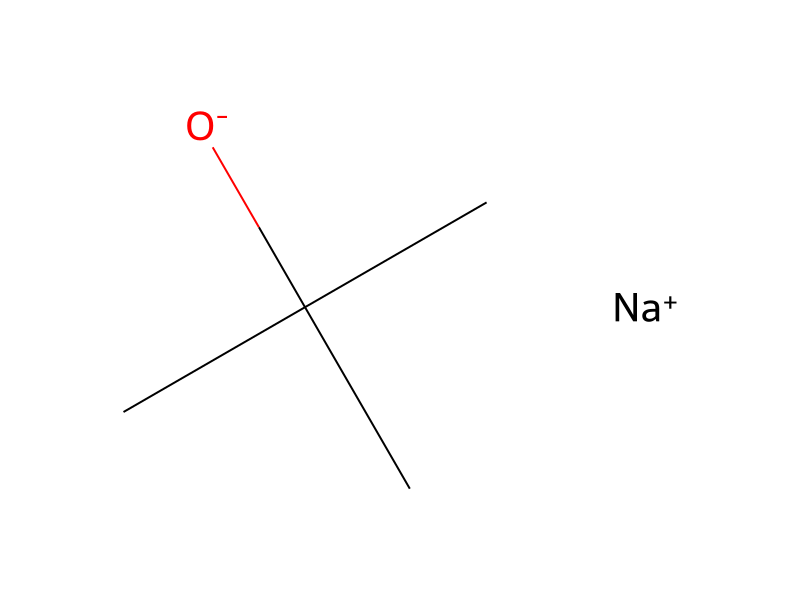
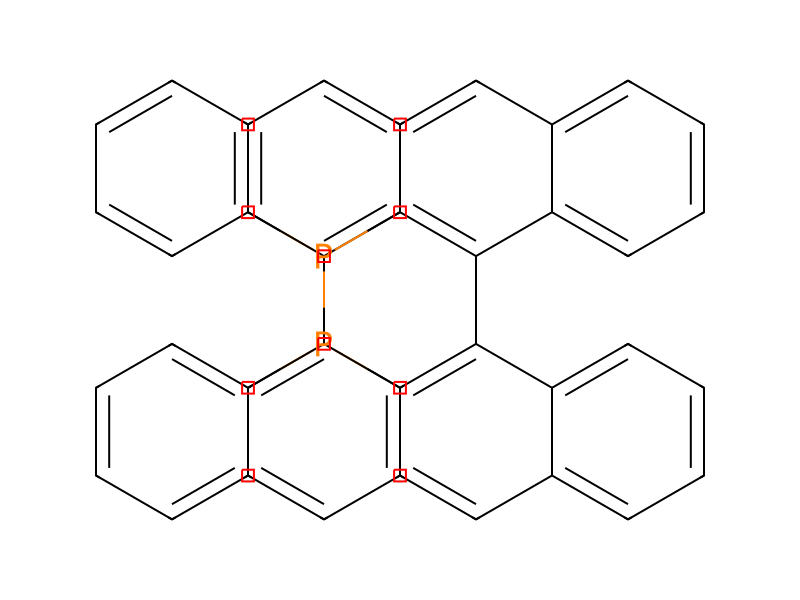
Br[C:2]1[CH:7]=[CH:6][C:5]([O:8][C:9]([F:12])([F:11])[F:10])=[CH:4][CH:3]=1.[O:13]1[C:17]2([CH2:22][CH2:21][NH:20][CH2:19][CH2:18]2)[O:16][CH2:15][CH2:14]1.CC(C)([O-])C.[Na+].C(OCC)(=O)C>C1(C)C=CC=CC=1.C([O-])(=O)C.[Pd+2].C([O-])(=O)C.C1C=CC(P(C2C=CC3C(=CC=CC=3)C=2C2C3C(=CC=CC=3)C=CC=2P(C2C=CC=CC=2)C2C=CC=CC=2)C2C=CC=CC=2)=CC=1>[F:10][C:9]([F:12])([F:11])[O:8][C:5]1[CH:6]=[CH:7][C:2]([N:20]2[CH2:21][CH2:22][C:17]3([O:16][CH2:15][CH2:14][O:13]3)[CH2:18][CH2:19]2)=[CH:3][CH:4]=1A mixture of 1-bromo-4-(trifluoromethoxy)-benzene (6.3 g, 26.14 mmol), 1,4-dioxa-8-azaspiro-[4,5]decane (3.35 ml, 26.14 mmol), palladium acetate (60 mg, 0.26 mmol), (S)-(−)-2,2′-bis(diphenylphosphino)-1,1′-binaphthyl (BINAP) (244 mg, 0.39 mmol), and sodium tert-butoxide (3.77 g, 39.23 mmol) in toluene (50 ml) was stirred at 80° C. for 1 hour. The reaction mixture was allowed to return to room temperature, to which ethyl acetate (50 ml) was added, and the resulting mixture was then filtered. The filtrate was washed with water and brine, and dried over magnesium sulfate. After filtration, the filtrate was concentrated under reduced pressure. The residue was purified by silica gel column chromatography (methylene chloride/methanol=50/1) to afford 8-(4-trifluoromethoxyphenyl)-1,4-dioxa-8-azaspiro[4,5]decane (6.54 g, yield 83%) as a pale yellow powder.