HomeMCPWorkbenchSkills
HomeWorkbenchNotificationsMe
llms.txt · MCP GuidePrivacy Policy · Terms of Service · Supportv1.8.3
  1. Home
  2. /Reaction

Hydrochloric Acid → 6-(4-Propylphenyl)-2-naphthol

HRID 857594
Print

Reaction equation

HRID 857594 reaction equation
Br[C:2]1[CH:3]=[C:4]2[C:9](=[CH:10][CH:11]=1)[CH:8]=[C:7]([OH:12])[CH:6]=[CH:5]2.[CH2:13]([C:16]1[CH:21]=[CH:20][C:19](OB(O)O)=[CH:18][CH:17]=1)[CH2:14][CH3:15].C(C1C=CC(Br)=CC=1)CC.B(OC)(OC)OC.Cl.C(=O)([O-])[O-].[K+].[K+]>C1(C)C=CC=CC=1.C(O)C>[CH2:13]([C:16]1[CH:21]=[CH:20][C:19]([C:2]2[CH:3]=[C:4]3[C:9](=[CH:10][CH:11]=2)[CH:8]=[C:7]([OH:12])[CH:6]=[CH:5]3)=[CH:18][CH:17]=1)[CH2:14][CH3:15]
ParticipantsProcedureWorkupSources & evidenceReaction notes

Participants

9

Reactant 6

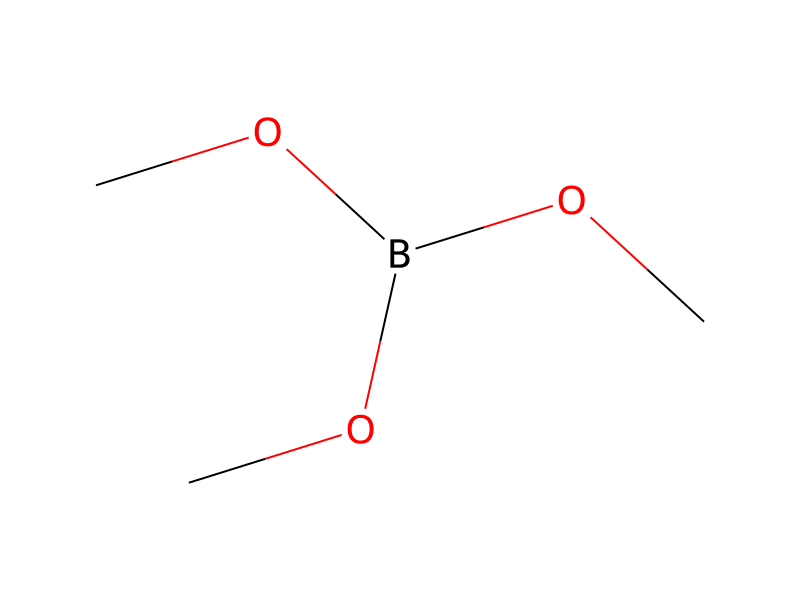
HCID 313Hydrochloric AcidHCID 8470Trimethyl borateHCID 11430Potassium CarbonateHCID 271446-Bromo-2-naphthalenolHCID 1363741-Bromo-4-propylbenzeneHCID 21869456(4-Propylphenoxy)boronic acid

Product 1

HCID 21870039
6-(4-Propylphenyl)-2-naphthol
Yield 79.9%

Reagents, catalysts & solvents 2

HCID 702EthanolSolventHCID 1140TolueneSolvent

Procedure

50 g of 6-bromo-2-naphthol and 48 g of 4-propylphenylboric acid (synthesized by reacting a Grignard reagent prepared from 4-propylbromobenzene with trimethyl borate, and then subjecting the reaction product to hydrolysis with hydrochloric acid) were dissolved in a mixture of 200 ml of toluene and 100 ml of ethanol. To the solution was then added 200 ml of a 2 N aqueous solution of potassium carbonate. To the reaction mixture was then added 2.6 g of tetrakis(triphenylphophine)palladium (0). The reaction mixture was then heated under reflux for 6 hours. The reaction solution was then allowed to cool to room temperature. The resulting organic phase was then separated. The resulting aqueous phase was then extracted with toluene. The material thus extracted and the organic phase were together washed sequentially with diluted hydrochloric acid, water and saturated brine, and then dehydrated and dried over anhydrous sodium sulfate. The solvent was then distilled off to obtain 47 g of 6-(4-propylphenyl)-2-naphthol in crystal form.


Workup

  1. temperatureThe reaction mixture was then heated
  2. temperatureunder reflux for 6 hours
  3. customThe resulting organic phase was then separated
  4. extractionThe resulting aqueous phase was then extracted with toluene
  5. extractionThe material thus extracted
  6. washthe organic phase were together washed sequentially with diluted hydrochloric acid, water and saturated brine
  7. dry with materialdried over anhydrous sodium sulfate
  8. distillationThe solvent was then distilled off

Sources & evidence

ORD record
ord-0b39635ae46042189de3b4b1f602e6e1
Source dataset
uspto-grants-2006_12
DOI
10.6084/m9.figshare.5104873.v1
Patent number
US07145047B2

Reaction notes

On this pageParticipantsProcedureWorkupSources & evidenceReaction notes