2-Nitropropane → Methyl 4-methyl-4-nitropentanoate
HRID 858950
Reaction equation

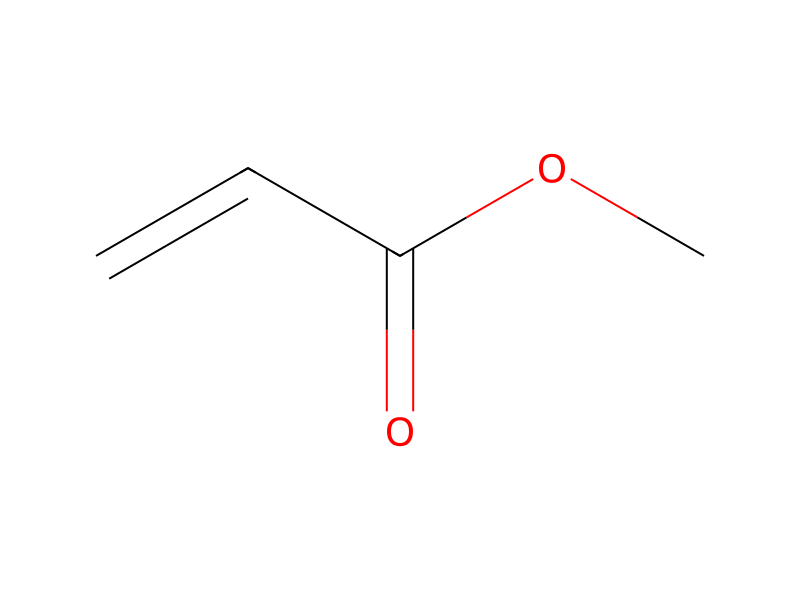
[F-].[K+].[N+:3]([CH:6]([CH3:8])[CH3:7])([O-:5])=[O:4].[C:9]([O:13][CH3:14])(=[O:12])[CH:10]=[CH2:11]>C(O)C>[CH3:7][C:6]([N+:3]([O-:5])=[O:4])([CH3:8])[CH2:11][CH2:10][C:9]([O:13][CH3:14])=[O:12]Participants
5
Reactant 3


Product 1

Reagents, catalysts & solvents 1

Procedure
A catalytic amount of potassium fluoride is added to 2-nitropropane and methyl acrylate, and the mixture is refluxed under heating in a suitable solvent such as ethanol and the like. The reaction mixture is concentrated (or evaporated) and extracted to give methyl 4-methyl-4-nitropentanoate (Bulletin of the Chemical Society of Japan 1966, 39 (11), 2549–2551). The obtained methyl 4-methyl-4-nitropentanoate can be isolated and/or purified by a conventional method, such as distillation, chromatography and the like, but generally, can be used in the next step without isolation and/or purification.